

Creeping bentgrass — an unwelcome lawn guest
By Jenaia Johnson
WSU Chelan/Douglas County Master Gardener
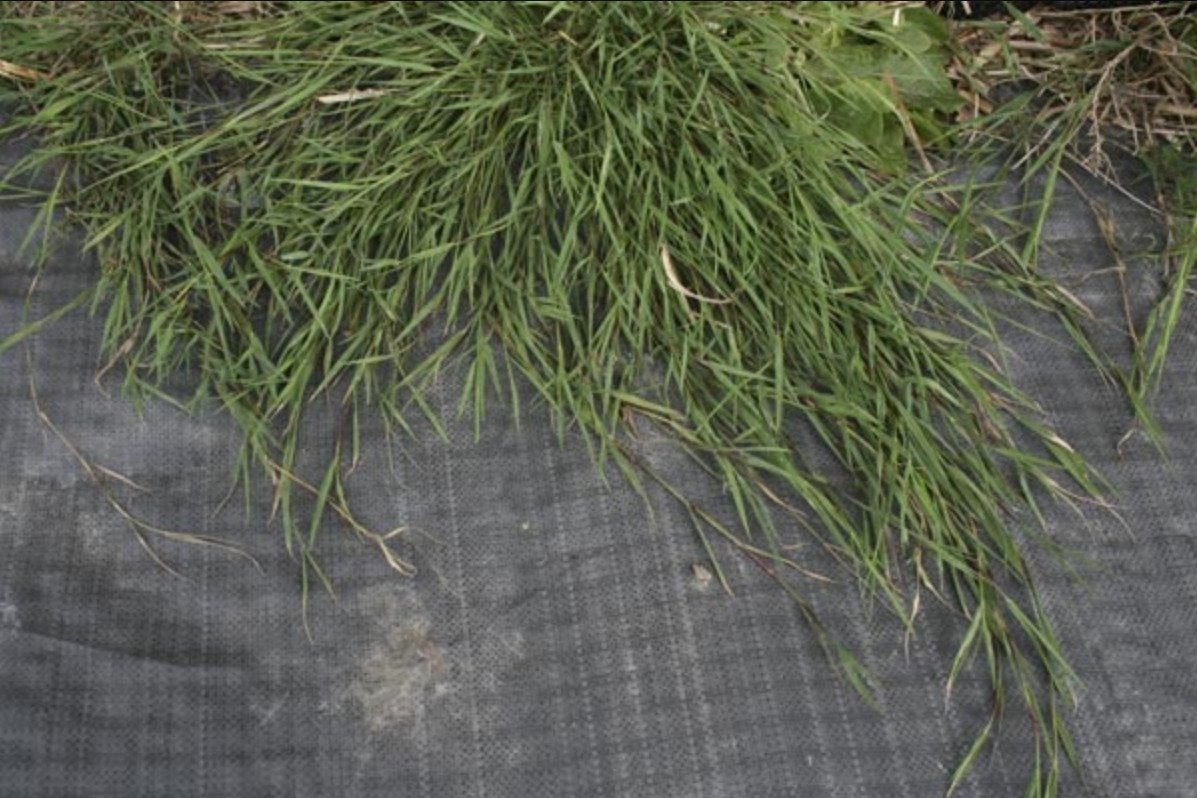
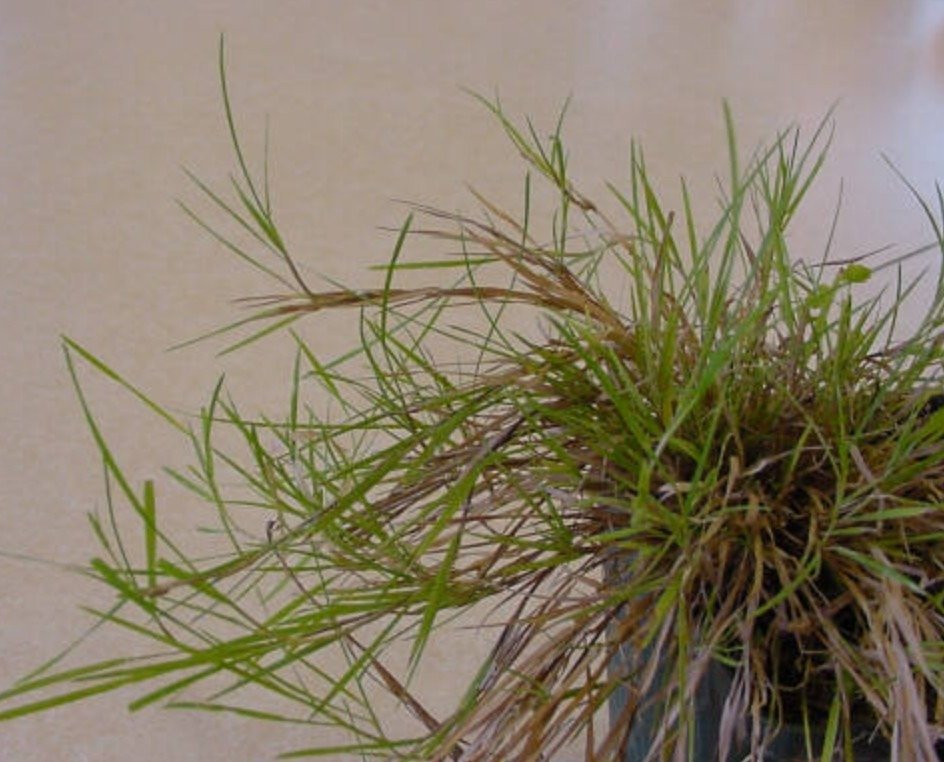

While Snoop Dogg once joked about knowing the weight and density of all kinds of “creeping grass” in the movie Starsky & Hutch, homeowners across North Central Washington are getting familiar with one specific type, creeping bentgrass (Agrostis stolonifera). This grass is not welcome to the lawn party. While it looks majestic on the greens of Augusta National Golf Club, creeping bentgrass can lose its luster if it spreads to a home lawn.
So how do you recognize this unwelcome guest? Any grass with “creeping” means it spreads by stolons — long horizontal above-ground stems that quickly spread across the soil — filling in any bare spots and creating a thicker, lighter-green patch. As a high school golf coach, I’ve spent plenty of time reading the greens, and I will admit, even my husband likes to play golf barefoot to feel the soft, spongy turf. In a home lawn, though, these mats create circular patches and uneven texture and really start to stand out from the surrounding turf. During the heat of the summer, the grass goes dormant and turns brown, but then makes its entrance again during the fall when cooler conditions return.
Who even invited creeping bentgrass to our lawn party? This invasive grass typically shows up in older lawns and thrives in ones that are watered and fertilized heavily and mowed too short. While it can be contaminated via seed mix, irrigation water, or lawn equipment, it’s less about the golfers being the party crashers and inviting it in, and more about the right conditions allowing it to take hold. Lawns near golf courses will naturally see bentgrass creep in. Once it’s in, it grows aggressively.
Time to call the bouncer, creeping bentgrass is causing a scene …
Don’t try to kick this one out of the lawn party by itself or try to isolate it by pulling patches out; it’s much like a carpet and grows like a loose piece of sod. Spot treatments with nonselective herbicides like glyphosate may be effective but kill surrounding grass — a total lawn party bust. For severe infestations, renovation might be necessary.
To keep it off the guest list, you need to make your lawn less susceptible by setting your mower as high as possible, to 4 inches. Cut only an inch off at a time. The taller the grass, the deeper its roots, and there is no space for the invasion of shallow-root weeds like bentgrass. Water no more than 1-2 times per week, with heavier watering at infrequent times. Of course, the watering will depend on weather conditions and the soil type for accurate drainage.
Creeping bentgrass may be the VIP at putting greens, but in your yard, it is a party crasher. For additional reading on bentgrass, go to bit.ly/wsuextbentgrass.
Jenaia Johnson is a WSU Master Gardener Class of 2026 intern. A WSU Chelan and Douglas County Master Gardener column appears weekly in The Wenatchee World. To learn more about your local Master Gardener program, visit bit.ly/wsucdmgprogram or call (509) 667-6540.