
Tips for creating a fire-resistant landscape
By Ann Briggs
WSU Chelan/Douglas County Master Gardener
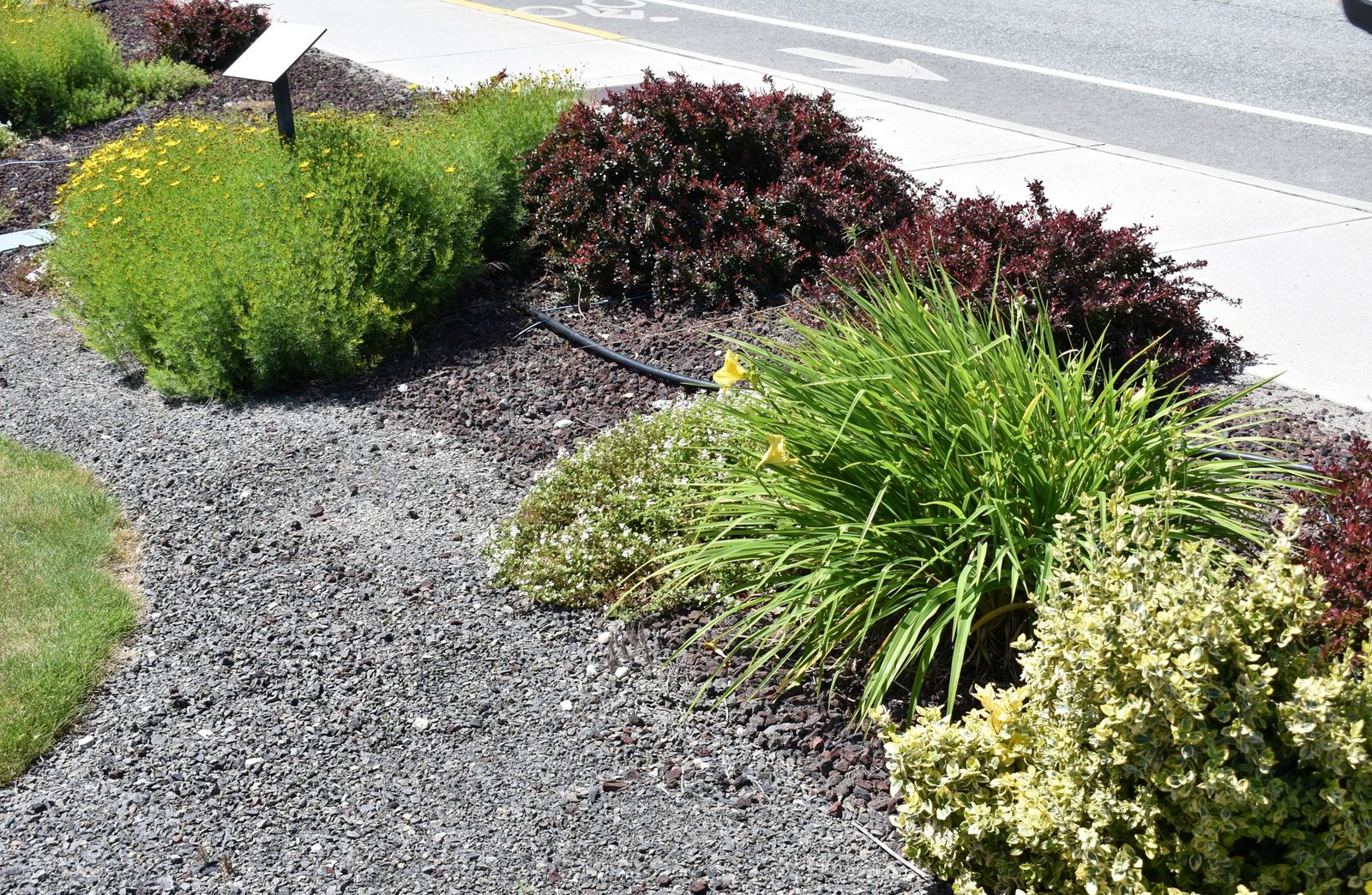
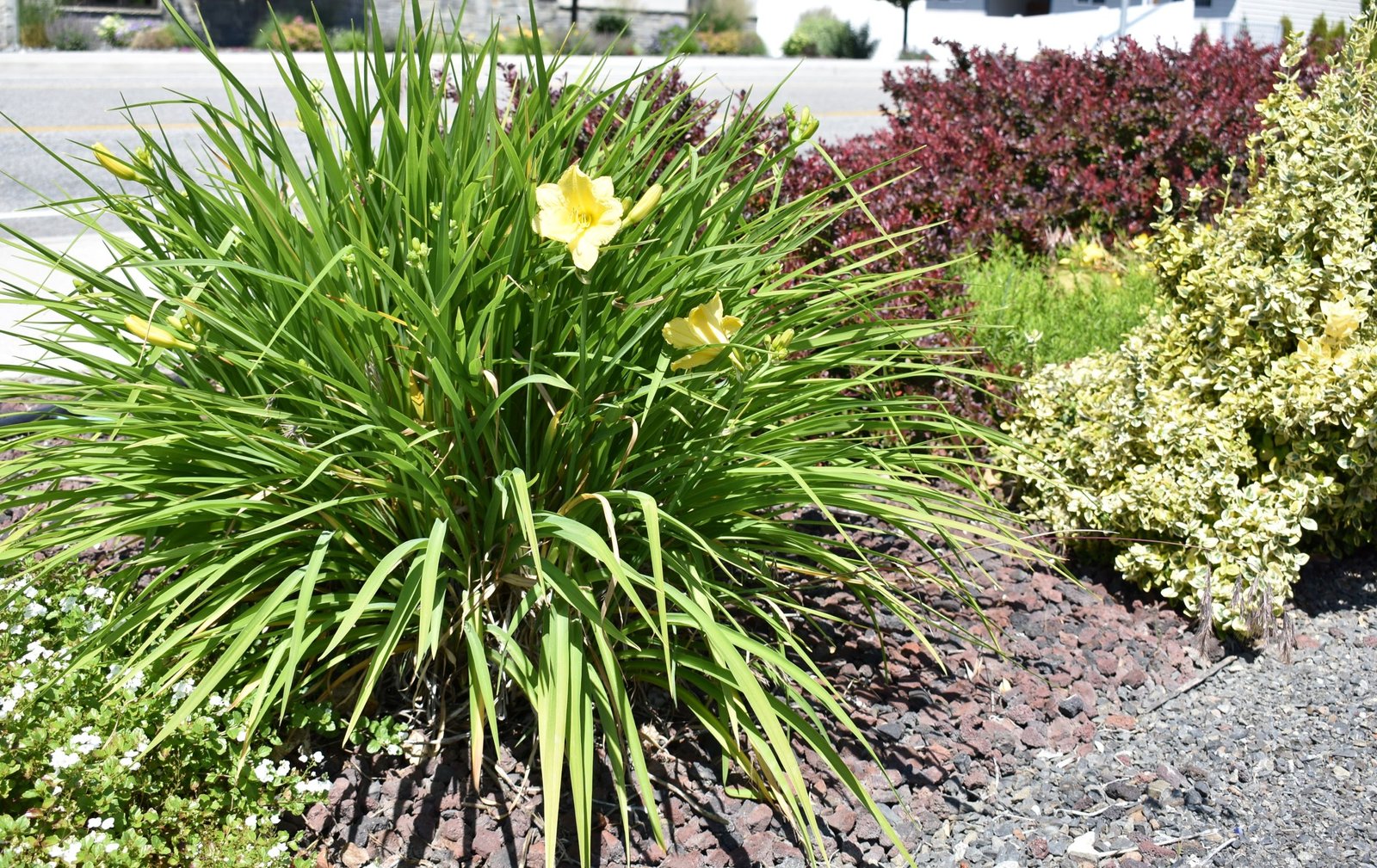

This winter’s meager snowpack and mild temperatures have set the stage for another summer of severe drought conditions and increased wildfire risk for the Wenatchee Valley. I reached out to WSU Master Gardener Al Murphy for his advice about what gardeners can do to better protect their homes and properties. He has more than 40 years of experience in firefighting and managing community protection programs at the local, state and national level.
According to Al Murphy, one of the worst mistakes a homeowner can make is assuming that the fire department will take care of everything. “When multiple homes are threatened during a wildfire, and the department is super busy, it’s likely they will run out of engines to send to everyone’s home,” he said. “Hot, dry, windy weather conditions can make it almost impossible to protect every home. The homeowner is the only one who has authority, responsibility and ability to do proper protection BEFORE a fire starts.”
An assessment of the plants in your yard is a good first step. The thought of making big changes to a landscape can feel overwhelming, but little steps can be made over time. “The most impactful area to treat is within 5 feet from the house,” said Murphy. “If that area is planted with non-combustible vegetation or covered with rock mulch, the home has a very good chance of surviving a fire. There should be no woody or dry vegetation in this area.”
Al Murphy also recommended that homeowners keep roofs and gutters clean of leaves and debris and avoid using wood shake roofing materials. “About 70 to 90 percent of homes that burn were ignited by live embers landing on or next to the home with combustible materials on the roof or nearby,” he said.
He also cautioned against using Arborvitae in the landscape because it’s extremely flammable. “Arborvitae should be removed from the landscape. It is a threat not only to the homeowner, but also to the entire community because it produces so many burning embers that spread to surrounding homes,” he said.
Being in an urban location does not mean you are safe from wildfires. Al Murphy says the entire Wenatchee Valley is subject to wildland fires. Embers are the biggest threat, and when the wind is blowing, all of the area is potential fuel for a fire, even areas well away from forests and sage lands.
There are several organizations that can provide resources and help gardeners get started on their fire-resistant landscape plans. Both the Wenatchee Valley Fire Department (https://bit.ly/wvfdhomeassessments) and the Cascadia Conservation District (https://bit.ly/ccdhomeassessments) offer home assessments. They can come out to look at your home and offer suggestions to reduce the potential for loss.
The American Red Cross (https://rdcrss.org/4fGss7L) has information on wildfire preparedness and prevention, and the Chelan-Douglas Master Gardeners can offer advice on the putting proper plant in the proper place to reduce your risks. There are books and brochures available on the MG website (https://bit.ly/cdmgfirelandscape), both in English and in Spanish, with step-by-step information on making your home fire resistant.
Al Murphy’s final advice: “The Wenatchee Valley experiences a major fire about every five years,” he said, “so fire threatening our homes is not an ‘if’, but a ‘when’. Changes to the landscape to improve fire resistance, done in little bites over an extended period of time, make a big difference. Make a plan and implement it as you have the time, energy, and funds. Doing little things around your home to reduce fire threat can mean the difference between having a home to return to after the fire or not.”
A WSU Chelan and Douglas County Master Gardener column appears weekly in The Wenatchee World. To learn more about your local Master Gardener program, visit bit.ly/wsucdmgprogram or call (509) 667-6540.