Get to know the bees In your garden this year
By Jennefer Thomas
WSU Chelan/Douglas County Master Gardener
There are many different kinds of bees — honeybees, bumble bees and mason bees, to name just a few. What they all have in common is that they are all pollinators. Without bees pollinating our flowers, we have no fruit, no vegetables, nada! And that’s just unacceptable.
The Washington State Bee Atlas, or WBA, is an effort by the Washington State Department of Agriculture to identify native bees by county. Understanding which native bees are present and which host plants they pollinate helps us to understand the role these bees play in our native habitats and ecosystems, including our food systems. If we don’t know what we have, we can’t protect it.
During its first two years, volunteers with the Washington Bee Atlas have discovered more than 30 new native species not previously identified in the state, including several species in Chelan, Douglas and Grant counties. In addition to new species, WBA also identified rare bee species, some of which hadn’t been recorded since the 1950s or earlier. Their discoveries continue to add names to the list of over 600 native bees currently known to live in Washington.
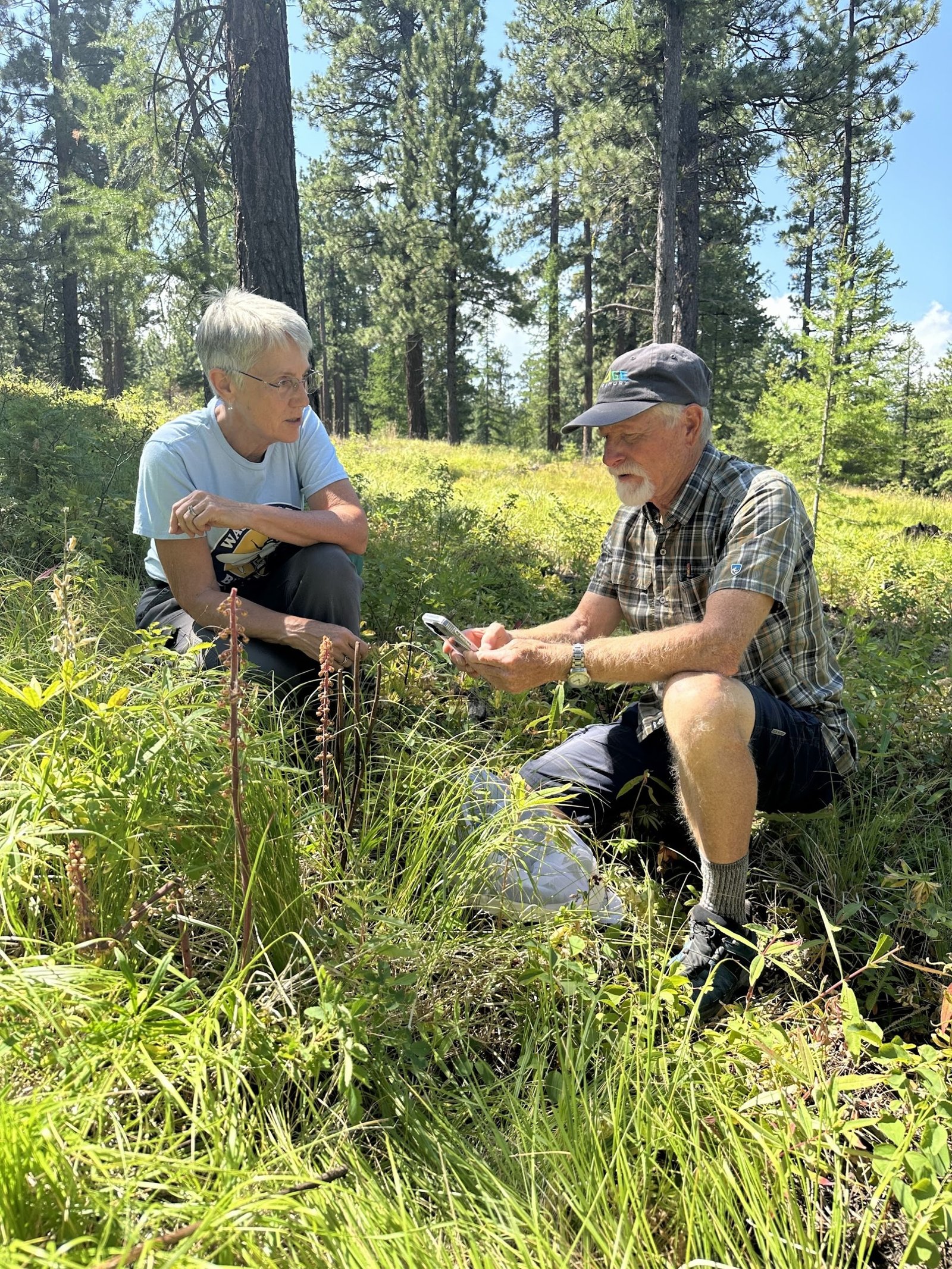
The WBA is based on a successful model from the Oregon State University Master Melittologist Program. It is similar to Washington State University’s Master Gardener Program, but with a focus on native bees. Volunteers are trained to collect and preserve bee specimens and document their host plants. Pinned bees are then identified to species by experts at Washington State University.
As of March 2026, more than 150 volunteers have completed the Master Melittologist training, but they need more help and are actively recruiting volunteers. Look for information on WSDA’s website (bit.ly/wsdabeeatlas) to learn more about how to participate.
It’s not necessary to become a Master Melittologist to learn more about our local bee populations, however. There are many resources out there for anyone interested in bees. The Xerces Society is a national organization that offers podcasts, webinars, and research-based information about bees both in the wild and in urban settings. The Washington Native Bee Society is another organization that promotes the awareness and conservation of native bees in our state. Look for news and upcoming events on their websites.
Finally, you can learn about gardening for native bees at local Master Gardener demonstration gardens. The Pollinator Gardens at the Leavenworth National Fish Hatchery and the Community Education Garden on Western Avenue in Wenatchee both offer good examples of gardens designed to provide food and habitat for native bees.
Visit our gardens! They are open to the public. They are planted with a mixture of native plants that bloom from early spring to late fall to provide bees and other pollinators with food throughout the season. You can identify plants that you love and grow them in your own yard. Don’t be surprised if the pollinator gardens are not tidy, manicured places. Spent blooms, leaf litter, and dry canes are there to provide overwintering habitat for bees and the many other beneficial insects that call the garden home.
Learning about the busy lives of bees adds a whole new dimension to gardening. Get to know these hardworking pollinators. They will inspire you to do what you can to help them. Every garden makes a difference to our native bees!Jennifer Thomas is a member of the WSU Master Gardener Class of 2026 trainees.
A WSU Chelan and Douglas County Master Gardener column appears weekly in The Wenatchee World. To learn more about your local Master Gardener program, visit bit.ly/wsucdmgprogram or call (509) 667-6540.