
Consider adding perennials to your flower garden
By Ann Briggs
WSU Chelan/Douglas County Master Gardener

This spring, as you browse the nurseries and garden shops for new additions to your garden, consider adding perennials. Why perennials? They come back each year and multiply, giving you more bang for your buck.
Every few years, perennials should be divided, which will allow you to fill in other parts of your yard or give them away to friends and neighbors.
When planting and spacing perennials, keep in mind the three-year rule: sleep, creep and leap. The first year, the plant “sleeps” with minimal top growth while it focuses its energy underground to build a strong root system. In the second “creep” year, more foliage is visible, and you may see more flowers as the plant adapts to its environment. By the third year, it’s fully established and will “leap” into its fully mature size with an abundance of flowers and foliage.
Once established, low-maintenance perennials require less attention than annuals when it comes to feeding and watering. They are hardier than annuals and can better withstand the quirks of spring weather with its late-season snow and frost. In addition, perennials are a source of pollen, nectar, seeds and nesting material for birds and pollinators.
For this garden column, I asked some fellow Master Gardeners to describe their favorite perennials. For Kate Bratrude, who manages our program’s Community Education Garden, the most important characteristics when choosing a perennial are foliage interest (color, variegated patterns or interesting leaves), low-maintenance care, and three-season interest.
Kate’s favorites include sedum (stonecrop), a low-maintenance, drought-tolerant succulent. They come in a vast range of shapes and sizes and are ideal as a groundcover or border plant. Sedums grow in full sun and do well in average to poor, well-drained soil. Some of her favorite varieties are Plum Dazzled, Atlantis, Wildfire and Dazzleberry. She also mentioned Coral Bells (Heuchera sanguinea) as a favorite for its multi-colored showy foliage, dramatic color range and multi-season interest. Coral Bells do well in full to partial shade and a well-drained, nutrient-rich soil.
Sue Sampson’s favorite perennial is the herbaceous peony (Paeonia). “Their flowers are big and showy and fill a time slot in the garden,” Sue said. “They bloom after the tulips and daffodils, along with the irises, before the roses are ready to show off.”
Sue said her peonies are “thriving in a harsh condition” – planted in site that can be windy, with sun from midday on, in a yard that is pure sand and rock and topped with compost as mulch. The plant blooms for a couple of weeks in May, but their stems and leaves remain compact and green for most of the summer before they die to the ground in fall.
Fellow writer Bonnie Orr chose Lenten Rose (Hellebore sp.) as one of her favorites. It blooms around the beginning of March in colors ranging from purple to white. Bonnie likes its evergreen leaves for winter interest. Lenten Rose will do well with morning sun to part shade; avoid planting in full sun.
Bonnie also likes the Maltese Cross (Silene chalcedonica) for its bright red flowers that attract hummingbirds. It blooms early summer through the end of July. The bloom period can be extended by deadheading the spent flowers. Maltese Cross prefers full sun and moist, well-drained soil.
There is such a wide variety of perennials available, you can find one suitable for nearly any garden condition. These are just a few examples:
- Deer resistant: lamb’s ear, columbine, hyssop, artemisia
- Shady areas: Hosta, hellebore, coral bells, brunnera, campanula
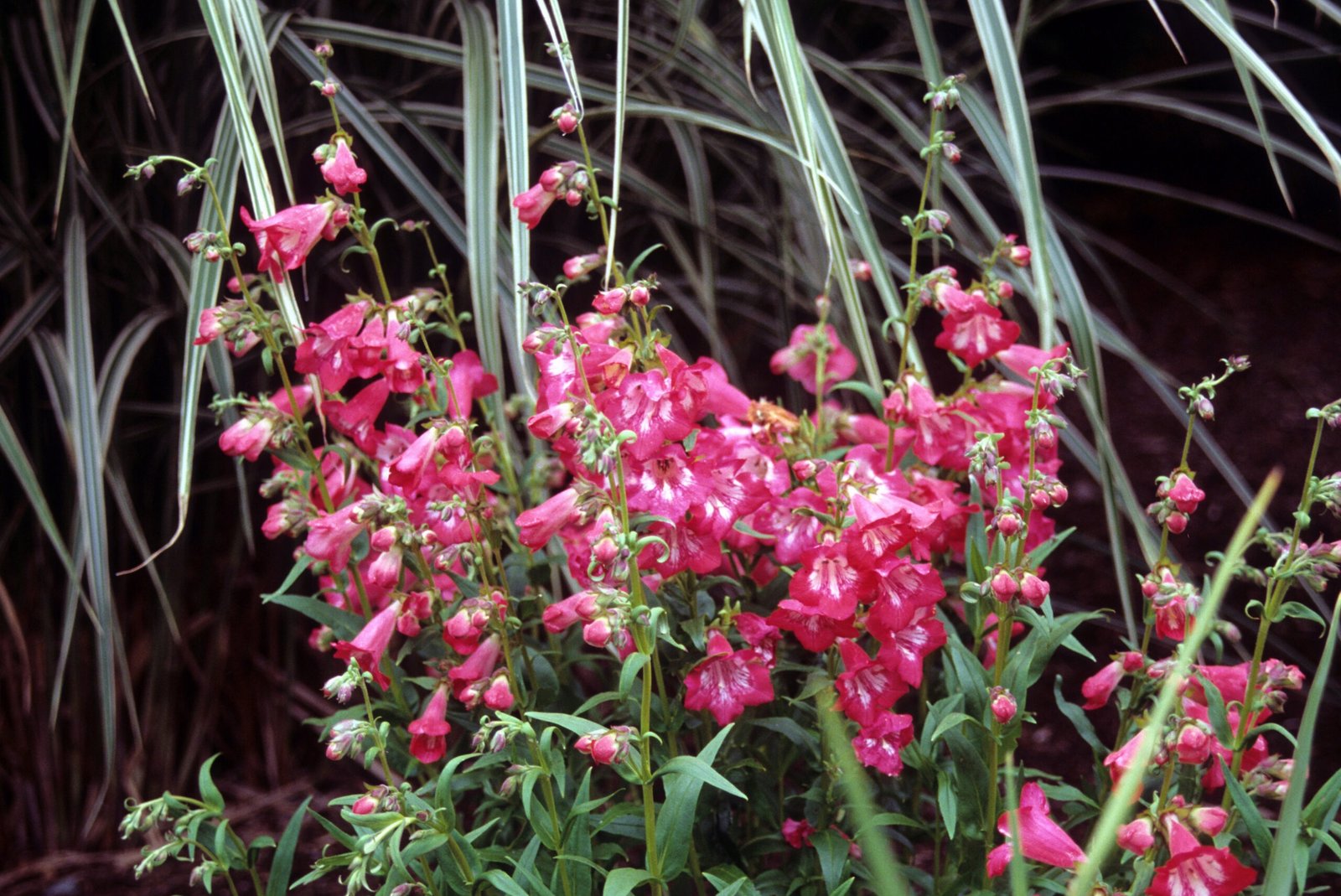
- Drought tolerant: Penstemon, Russian sage, sedum, blanket flower
- Poor and sandy soil: Rudbeckia, lavender, catmint, coneflower
A WSU Chelan and Douglas County Master Gardener column appears weekly in The Wenatchee World. To learn more about your local Master Gardener program, visit bit.ly/MGchelandouglas or call (509) 667-6540.