

Root weevils — how to avoid them and what to do if you can’t
By Bonnie Orr
WSU Chelan/Douglas County Master Gardener
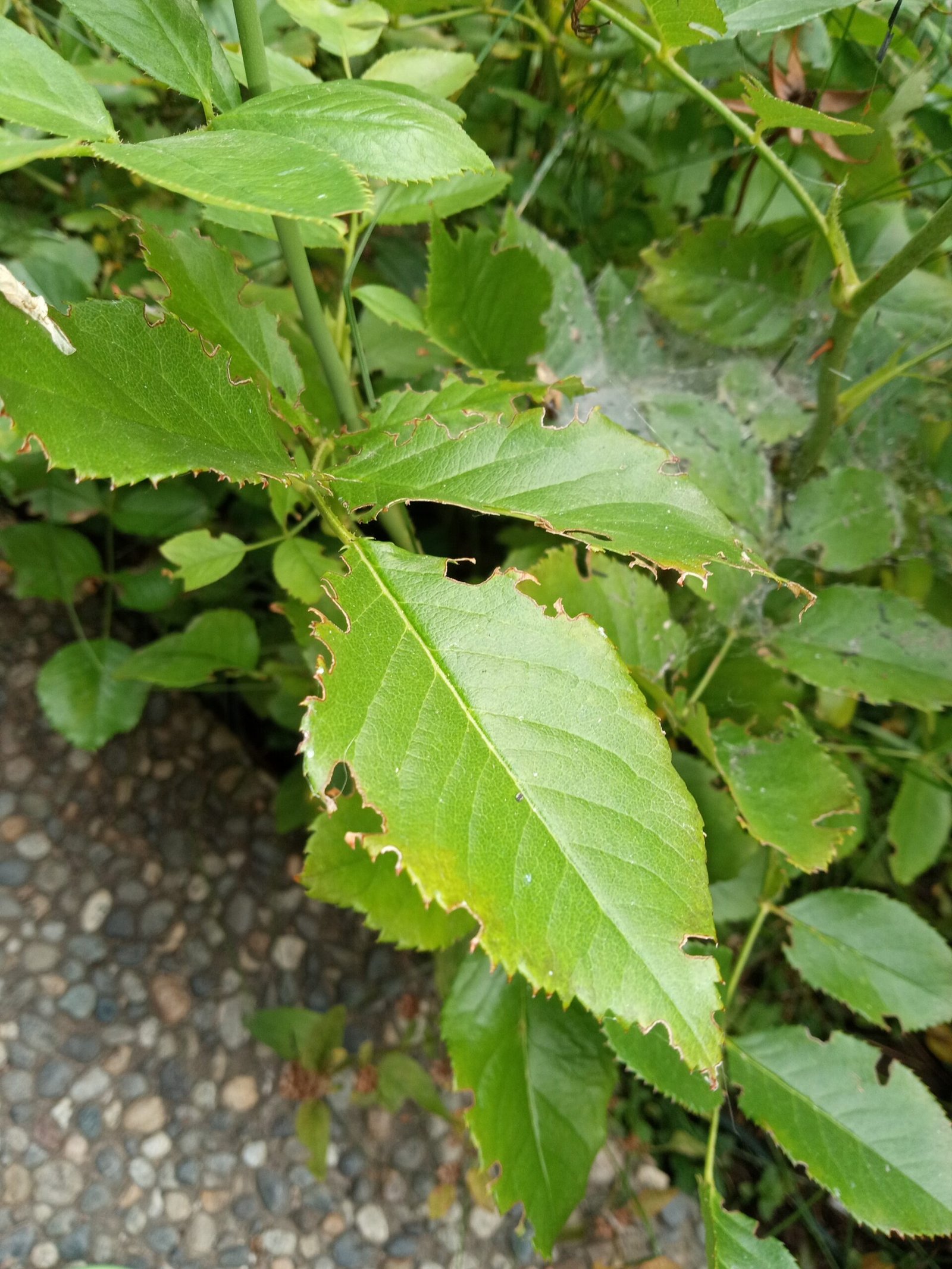

By June you will see the first signs of the chewed leaf margins that indicate you have root weevils in your garden. This insect is the most frequently mentioned pest that the WSU Master Gardeners in Chelan and Douglas counties hear about from visitors to our Plant & Insect Clinic.
First, the insect most likely will not kill your plant. But for sure, it will leave unsightly notches in the leaves, and some of the feeder roots will be eaten. There are 17 types of root weevils — none of them native to the United States — and they will notch the leaves on over 100 types of plants.
How can you avoid introducing this pest into your yard? The eggs or larva can be hidden in a pot’s soil. So, if your friend shares a plant with you, be sure to wash off all the soil so the gifted plant is bare rooted before you place it in your garden.
Sadly, root weevils also come in plants from nurseries and home centers. If you are introducing new plants to your landscape, you will be happier in the long run if you bare root each of your purchases by washing all the soil from the plant. Throw the soil in the trash not into your compost pile!
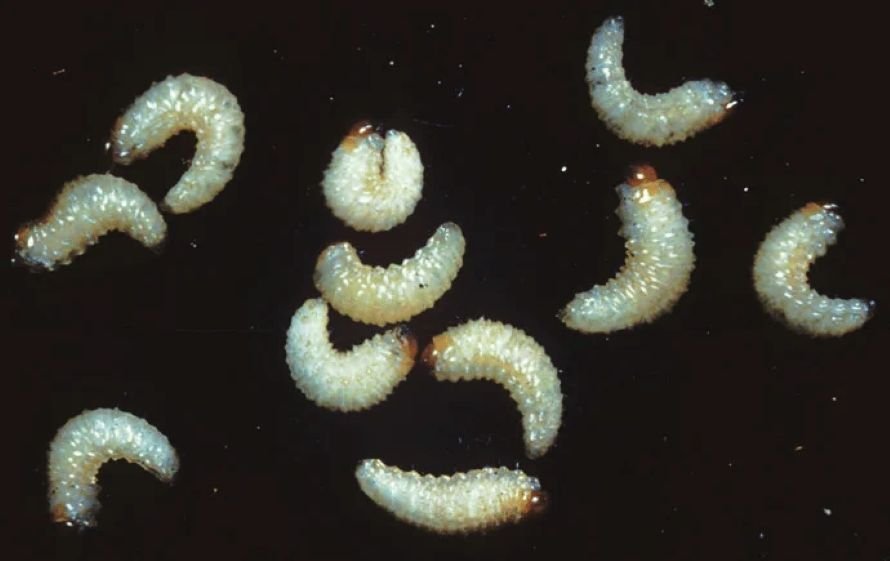
Now, mid- to late April, is the best time to dig out the larvae. When the soil is 60 degrees, the larva begin to move about. The larvae are only about 5-6 inches deep in the soil. Rooting around in the soil around the target plant will expose the insect pest and you can drop them into a container of soapy water.
If you skip this step, then you must deal with the adults beginning in June when the larvae have become the black insect. The adults hide in the leaf litter or the grasses around the base of the plant. They emerge shortly after dark and climb the plant’s stems to reach the leaves.
Many people find that going out at night with a flashlight is effective. Place a white sheet on the ground and shake the plant. Gather up the insects in a can of soapy water as they fall on the sheet. Generally, there are only about 30 weevils, not hundreds, per plant.
Pruning plants so the leaves do not touch the ground provides fewer access points for the insects. Wrapping the base of a large plant with heavy paper or adhesive barrier with a product such as Tangle Foot will capture the insects. Never put the adhesive product directly on the bark. Be sure the barrier is totally secure.
To kill the larva and the eggs, you can purchase and apply nematodes. These organisms multiply and eat the developing insects. Although I have tried using them several times, I have not been successful in eradicating the insects.
Insecticides can be sprayed on the stems and leaves — but not when the plant is blooming because the products kill bees. Applying systemic insecticide on the roots can kill leaf-cutter bees, a beneficial insect, which cut portions of leaves for their larva to eat as they develop.
The bottom-line is don’t get the root weevils introduced to your landscape. If they are present, and they seem to be very numerous, you most likely will have to eliminate the plants they feed on, such as lilac, peony, roses, etc., or leave it be after you have made a best effort to control the infestation.
A WSU Chelan and Douglas County Master Gardener column appears weekly in The Wenatchee World. To learn more about your local Master Gardener program, visit bit.ly/wsucdmgprogram or call (509) 667-6540.