

Summer can magnify stressed plant problems
By Mary Fran McClure
WSU Chelan/Douglas County Master Gardener

Summertime isn’t so easy for stressed plants. Mid-summer heat can multiply problems, so it’s important to figure out the underlying causes. There could be a multitude of problems or just one big one.
These are possible considerations: poor watering practices, soil challenges, nutrient deficiencies, root problems, inappropriate plants, right plant in the wrong place and finally, insects and diseases that home in on stressed plants.
Not adequate water for this time of year? This is a biggie. It’s important to know your soil type as well as your plants to get this right.
Sandy soil is porous with low water-holding capacity. Soils heavy in clay content are just the opposite. They have great water-holding capacity and that means longer intervals between irrigating, or you will have waterlogged, unhealthy plants.
The best way to check frequency and water needs is to dig down 4 to 6 inches to see that plant roots are getting that all-important moisture where it counts. That will determine how long each watering should take. When the top few inches of soil dries out, it’s time to irrigate again.
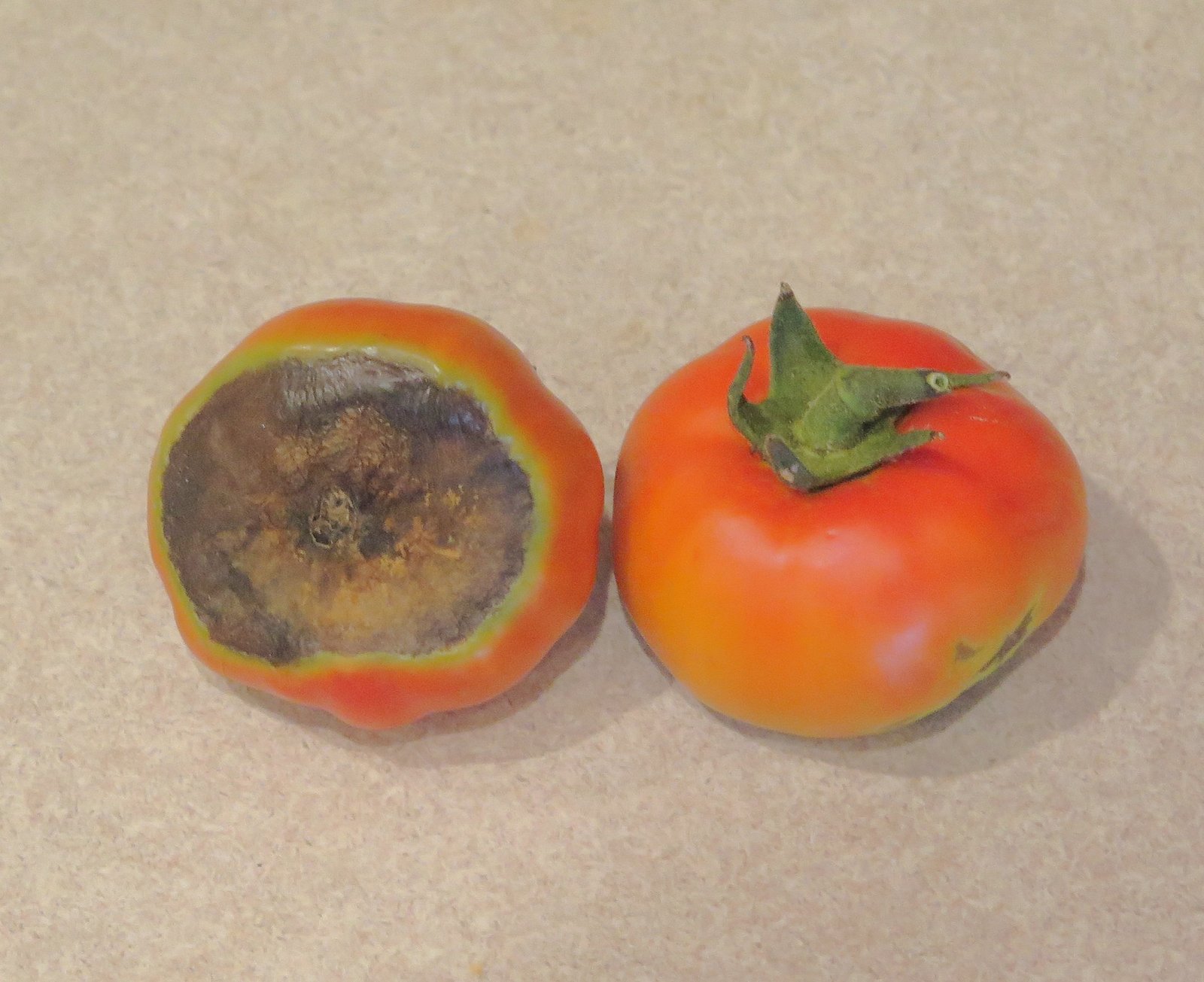
A prime example of uneven watering in tomatoes is blossom end rot. Those ugly black spots that show up at the bottom of tomatoes are most likely due to dry soils. That’s typically a sign the plant isn’t getting a regular dose of water. Tomatoes like moist soil and are stressed in periods of dryness.
Beyond moisture, it’s important to know each plant’s water needs. Established xeric plants can get by on limited water. Buckwheat, yarrow and penstemons thrive on little water. On the opposite end of the spectrum are plants that thrive in more moist soils, such as hostas and roses.
Maple trees can tolerate a larger range of dampness compared with many other trees. A good part of success is learning which plants can take the amount of moisture you are willing to furnish.
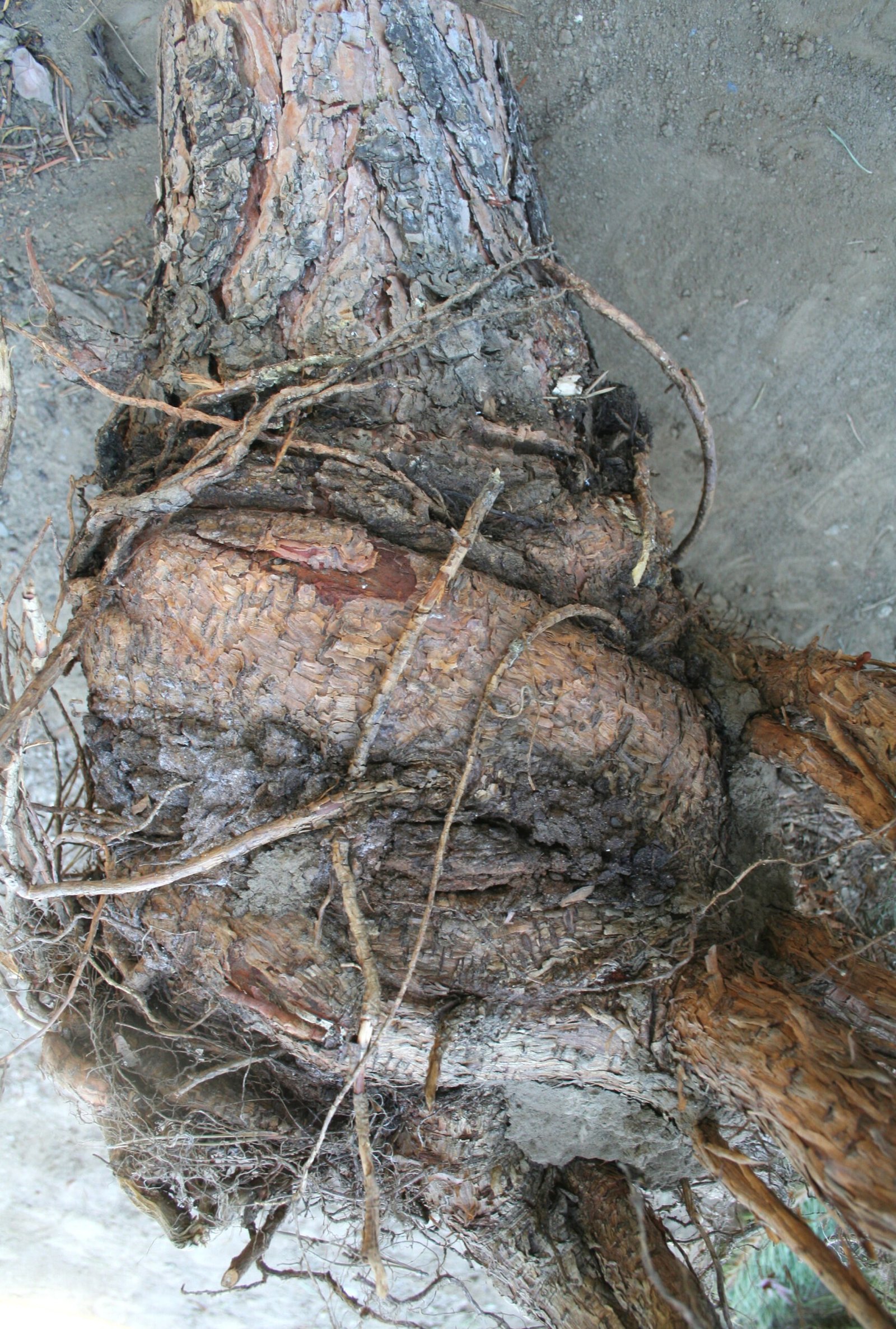
Encircling roots on trees can cut off regular water and nutrients, eventually killing a tree. Many of the shrubs and trees we buy are pot bound. Unless those roots are spread out at planting time, those roots will just continue to keep circling rather than spreading out. If they can’t be spread apart at planting, then some cutting is necessary. A good windstorm may uproot a plant with encircled roots since its base is so limited. As those encircling roots expand in size, they can strangle the plant and kill it. I know by first-hand experience, as pine trees planted by a previous owner showed signs of stress and eventually died. When dug up, we realized they didn’t have a chance due to being so root bound.
Another often-overlooked problem for trees is nearby construction. Equipment can easily compact soil, making it tough for plants to grow. Another common problem is equipment cutting through roots that extend well beyond the tree line.
Too sunny for a particular plant? Sun-loving plants may get too much of a good thing if they’re against a reflective wall or fence that intensifies heat. Sun-scorched leaves are a giveaway. As the sun moves northward, shade plants like hostas may get too much sun that result in scorched leaves.
Insect problems and diseases are prone to enter the picture with plants that are already stressed. Look for holes in leaves where insects have munched. Watch for leaf hoppers or leaf miners that thin leaves or cause meandering lines across leaves.
To help with identification of your plant’s problems, take a good sample of your plant problem to the WSU Chelan-Douglas County Master Gardener Plant Clinic on Mondays, from 1 to 4 p.m. in the Sagebrush Room at the Wenatchee Public Library, 310 Douglas St.
Another option is to email photos and a written description of your stressed plant to askamastergardener@chelandouglasmg.org.
A WSU Chelan and Douglas County Master Gardener column appears weekly in The Wenatchee World. To learn more about your local Master Gardener program, visit bit.ly/wsucdmgprogram or call (509) 667-6540.