
You can turn tree leaves into ‘garden gold’
By Ann Briggs
WSU Chelan/Douglas County Master Gardener
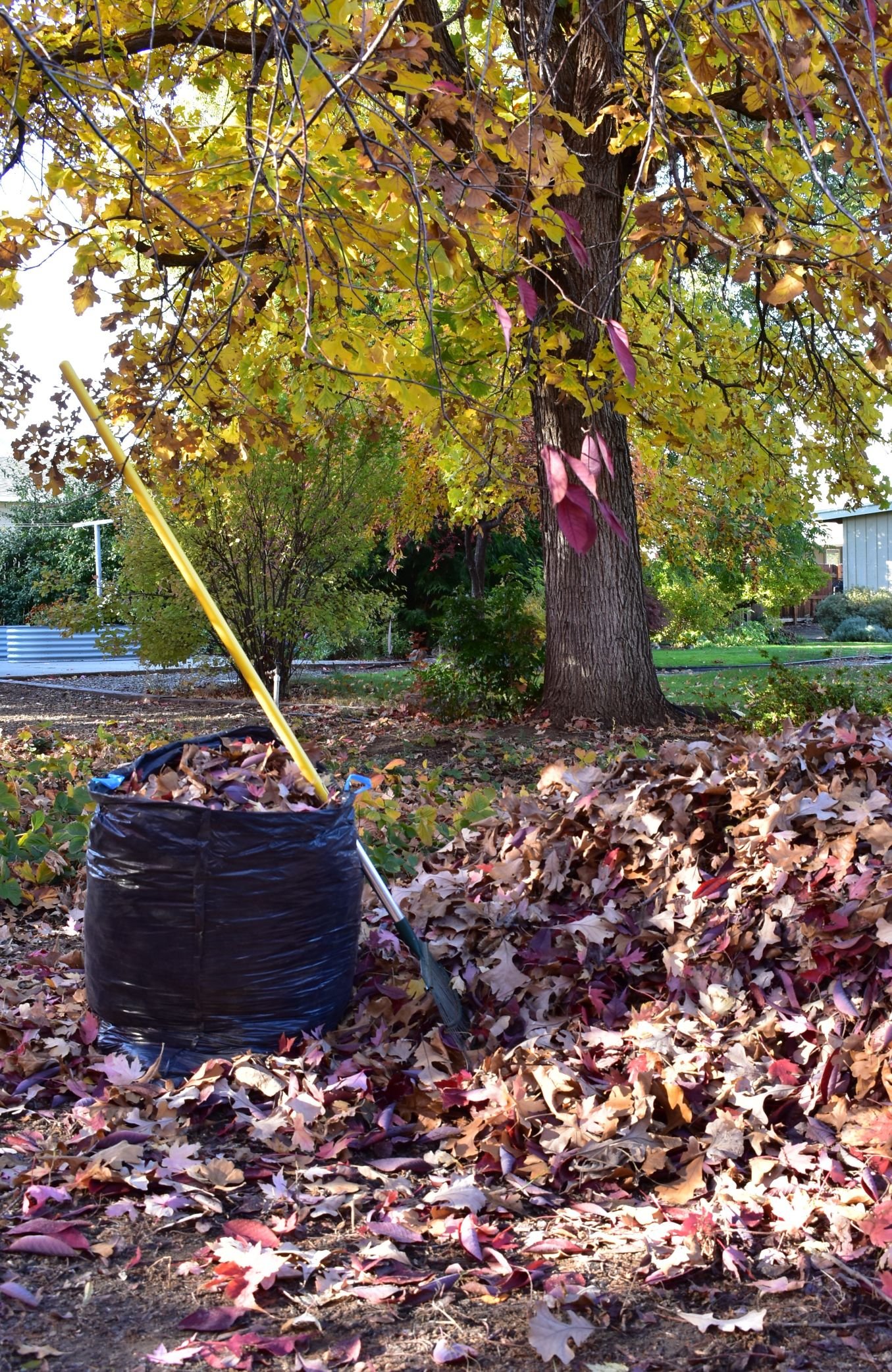

I love this time of year with the trees in the valley all decked out in shades of red, yellow and orange. Soon enough though, those colorful leaves will be lying on the ground and gardeners will be faced with the dilemma of what to do with them.
If you have deciduous trees in your yard, then you have an endless source of free, organic fertilizer or “garden gold.” Leaves from shade trees are good sources of plant minerals including calcium, magnesium, nitrogen and phosphorus, along with other trace minerals. But of course, there’s a bit of work and patience involved before you can take advantage of those leaves.
Here are three ways to manage and use those leaves to your garden’s advantage: mulching, composting and making leaf mold.
Mulching
Mulching is the process of shredding leaves into small pieces. By chopping up the leaves, they will break down faster and the smaller particles allow water and nutrients to move through them. Left whole, leaves can form a thick mat that can smother your lawn.
You can chop up leaves by running a lawn mower over them several times. The goal is to chop the leaves into pieces that are small enough to slip between the blades of grass where it can break down on the soil. It’s best to do this when the leaves are dry and before a thick layer forms. You might need to repeat this process a few times throughout the fall season.
In my yard, I have a very large oak tree, which produces leaves that are thick and tough, and break down slowly. I’ve invested in a leaf mulcher that chops the leaves into fine particles, and I use them to create pathways through my garden as well as for a mulch in planting areas. Leaf mulch helps to hold in moisture, block weeds and add nutrients to the soil. If you use leaf mulch around plants, just remember to pull the mulch a couple of inches away from the plant’s base so you don’t smother it.
Composting
The process of composting relies on bacteria and microorganisms to break down organic material into a nutrient-rich-garden additive and is typically done in a pile or a bin. A good compost should include layers of both brown (dry tree leaves) and green (grass clippings, kitchen scraps or fresh garden waste) materials. The compost pile needs moisture to keep it consistently damp and should be turned every couple of weeks to keep it aerated. Detailed instructions for backyard composting are available for free on the WSU Extension website bit.ly/wsuextpubcomposting.
If a compost is functioning well, it should generate some heat as bacteria are actively breaking down the material. A finished compost will take several months to a year or more to achieve; it will result in a dark, crumbly, earthy-smelling material that is ready to be added to your garden.
Making Leaf Mold
Leaf mold is a soil conditioner that increases water retention of the soil and improves soil structure. This process can be called the lazy gardener’s composting. Unlike the previously described compost method, which relies on bacteria, this method relies on fungi to slowly break down the leaves. If you have a lot of patience and an out-of-the-way area to store your composting leaves, this might be a good solution for you. Simply fill a black garbage bag with damp leaves (shred them for faster results), punch a few holes in the bottom for drainage and air circulation, then store the bag in a shady location. Check the bag for moisture every couple of months and add water if the leaves become dry. After a year or two, you will have an excellent soil additive.
One final note on leaf management: as you’ve likely read in previous garden columns, beneficial insects depend on leaf litter as places to shelter over the winter months, so if you can, leave the leaves in some areas of your garden until the weather warms. You’ll be rewarded with a healthy backyard ecosystem in the spring.
A WSU Chelan-Douglas County Master Gardener column appears weekly in The Wenatchee World. To learn more about the local Master Gardener program, visit bit.ly/MGchelandouglas or call (509) 667-6540.