

Save the stems for a new generation of solitary bees
By Julie Banken
WSU Chelan/Douglas County Master Gardener
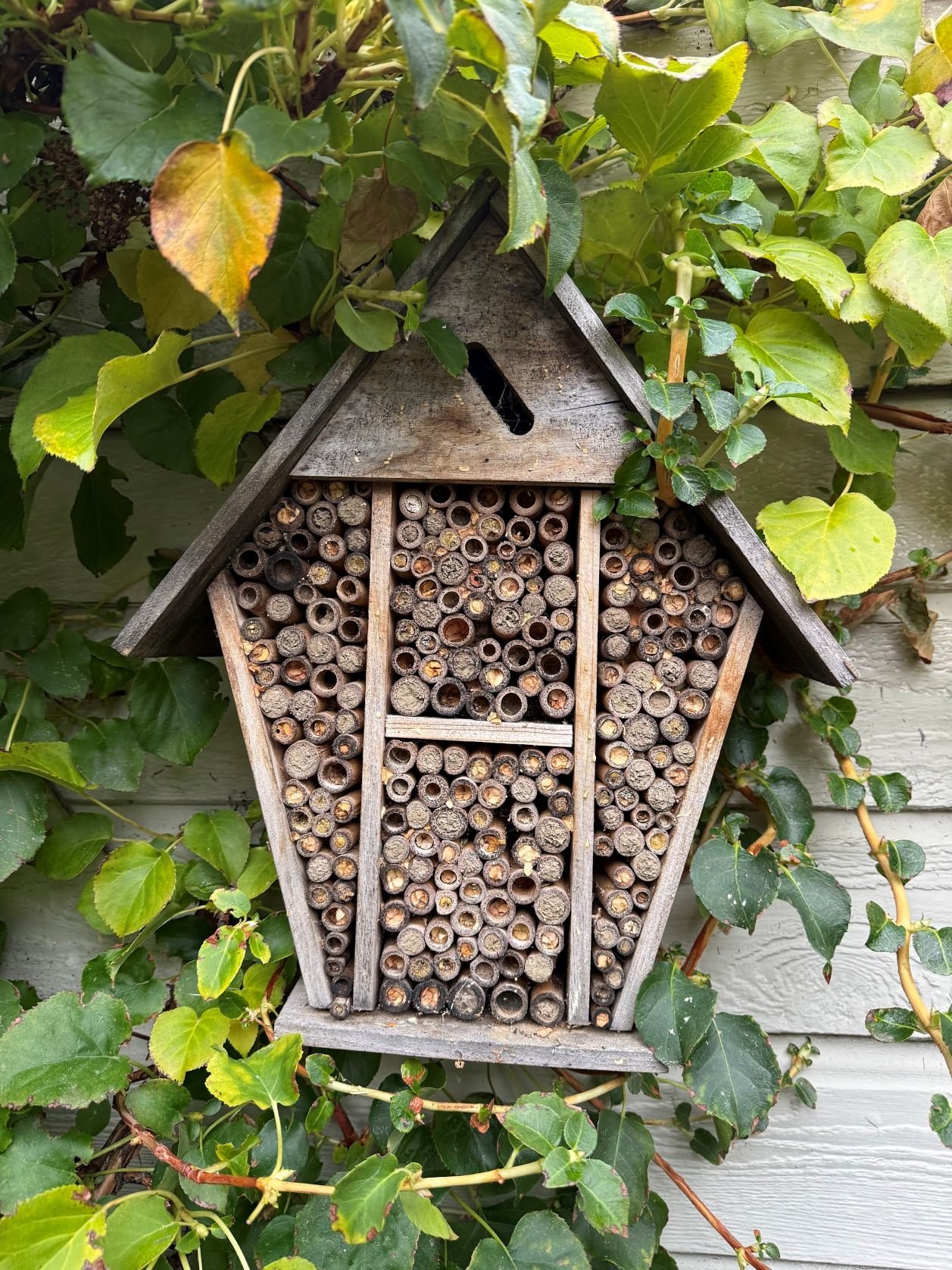

Most insects could be described as carefree parents. They lay hundreds of eggs but leave their young to fend for themselves. In their unpredictable world, the odds of offspring living to adulthood are low. The more eggs they lay, the better the chance that some will survive.
Bees, in contrast, have a different parenting strategy. They invest time and energy into caring for their young, providing them with food and protection to ensure their survival. Because childcare requires a substantial commitment, they produce only as many young as they can adequately care for.
A honey bee queen gets around this limitation by having lots of help. Her daughters devote themselves to baby bee rearing, making it possible for her to lay thousands of eggs and still take good care of them. Solitary bees don’t have it so easy. Each female must care for her offspring entirely on her own. Depending on the species, she lays just 10 to 40 eggs and works her entire adult life providing for them.
Like birds, solitary bees build nests to raise their young. Unlike birds, however, they die long before their eggs hatch. How can you be a dedicated parent if you never see your children? A mason bee would say good parenthood is all about preparation.
Mason bees are solitary bees that build their nests in tube-like cavities. After mating, a female chooses a nest site very carefully. Since her babies will be left on their own, her nest must be protected from predators and parasites, as well as the weather. She looks for unexposed cavities a pencil might fit into, like hollow plant stems or beetle tunnels in wood.
To seal off the back of the nest cavity, a mason bee needs mud. She must be choosy about her source; moist, loamy clay is best, as it is pliable enough to mold and holds together when it dries. She also avoids soil that is contaminated with fertilizer residue or pesticides. If mud isn’t available, a mason bee will make it herself by carrying water to dry ground. Using her mandibles, she forms mud into a ball the size of a pinhead, then flies it to her nest. There, like a mason laying a brick wall, she seals it off, one tiny mudball at a time.
Next, the mason bee takes a break from mud gathering to collect pollen and nectar. She makes dozens of foraging trips, visiting hundreds of flowers. Stockpiling enough food to sustain one egg requires one to two days of work, depending on the weather and flower availability. She fashions the pollen into a loaf, tucks it into the back of the nest, then lays a single egg on top. Finally, she seals it off with mud and begins again, completing one brood cell at a time until the nesting cavity is full.
So much work takes its toll, and the female dies after about four to six weeks. Meanwhile, her offspring grow up safely encased in their brood chambers, feeding on the pollen and nectar she left for them. When the food is gone, larvae pupate and remain in their nests through summer, fall and winter, then finally emerge in spring to start the cycle over again.
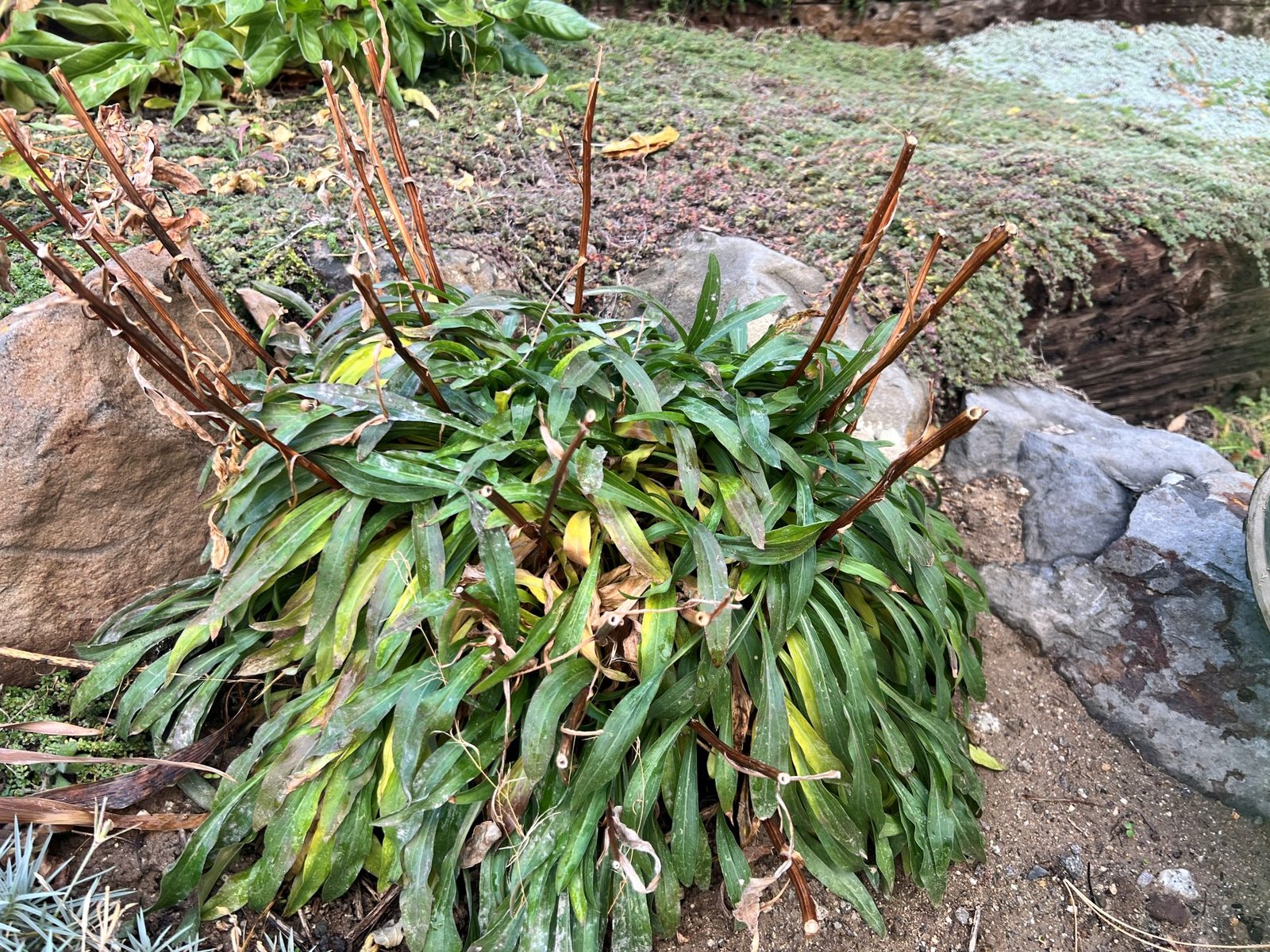
At this time of year, remember the hardworking insect parents in your yard. Instead of cutting herbaceous perennials to the ground and tossing the clippings into the yard waste bin, save the stems for solitary bees. A dry, hollow stem may contain next year’s generation of pollinators, a mother bee’s life’s work.
Even if they don’t hold bee nests now, this year’s dry stems can be next year’s nest sites. Leave hollow or pithy-stemmed perennials standing until birds have eaten the seeds. At the end of winter, cut them at various heights, leaving stubble about 8 to 24 inches off the ground. Different species of bees appreciate a range of stem diameters. Raspberries, bee balm and coneflowers are stem-nesting bee favorites.
Finally, keep your yard chemical free. Systemic insecticides can linger in the soil that mason bees use for mud. Their harmful toxins can persist inside all parts of a plant, including the stems where bees develop and in the pollen and nectar that their mothers faithfully provided.
A WSU Chelan-Douglas County Master Gardener column appears weekly in The Wenatchee World. To learn more about the local Master Gardener program, visit bit.ly/MGchelandouglas or call (509) 667-6540.