

The good, bad and ugly; Lessons learned in the garden
By Julie Banken
WSU Chelan/Douglas County Master Gardener

Vegetable gardening is an iterative experiment. Every year, I plant my seeds and seedlings, observe what happens, learn from mistakes and try again the following spring. You would think by now I would have gardening figured out, but nature controls many of the variables and, despite my efforts, results are often mixed.
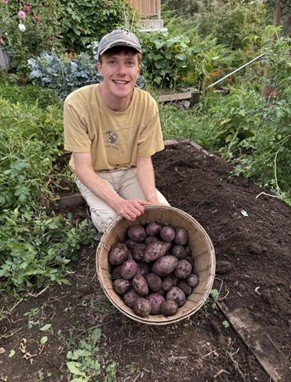
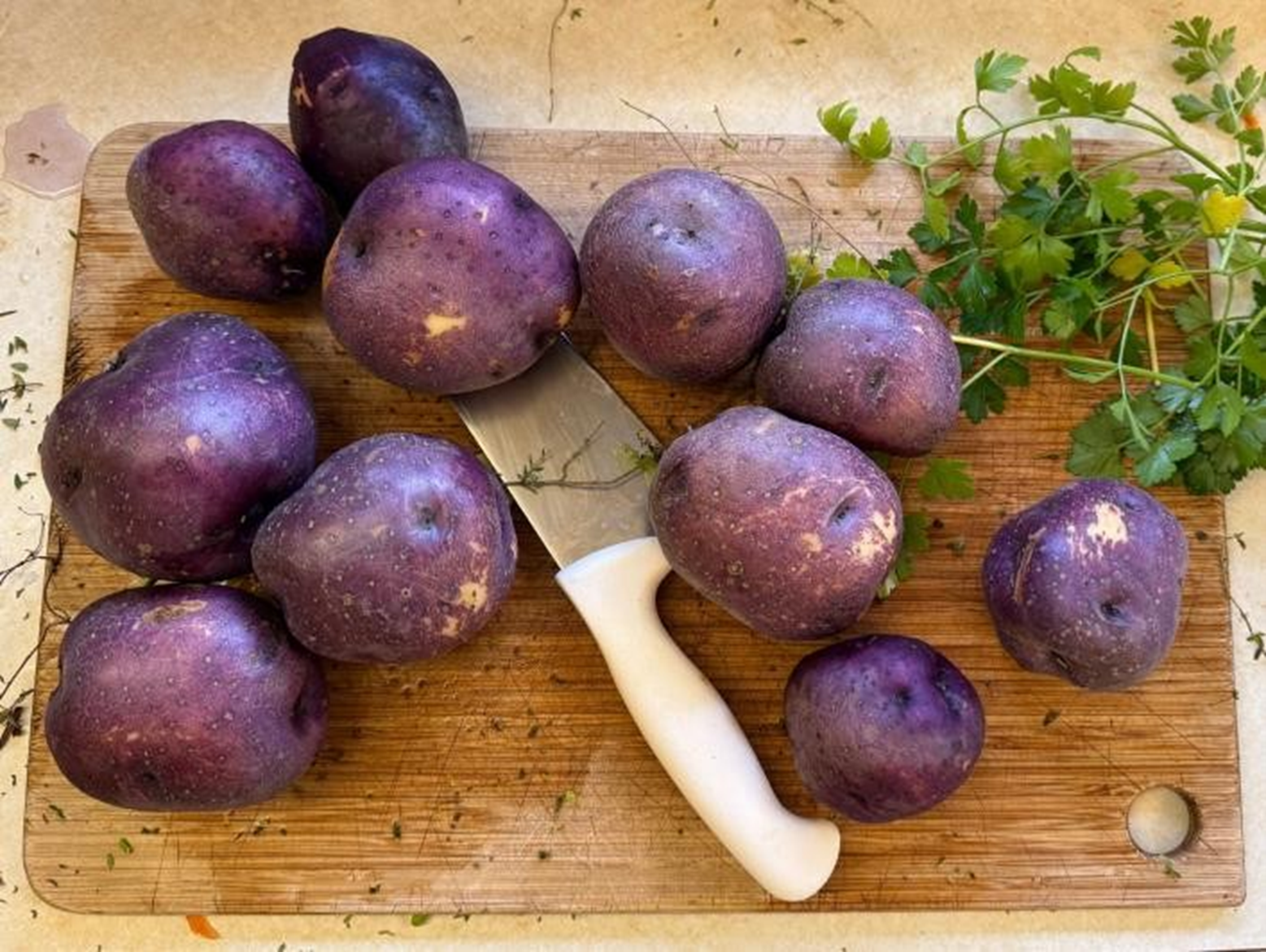
Sometimes I am surprised by success. Last year, for example, my purple potatoes turned out to be blue-ribbon beauties. I saved them for Thanksgiving and Christmas meals and had enough to share with friends.
I don’t remember where I bought the seed potatoes, but I do remember the advice on the bag they came in: potatoes only form on stem tissue that grows above the tuber you put in the ground, so plan accordingly.
To give potatoes extra room to grow, I dug a deep trench, then covered the sprouting tubers with soil every few weeks until the trench became a mound.
Mother Nature gets credit for providing good potatogrowing weather, but my guess is that planting earlier and deeper made a difference, too.
Potatoes are picky when it comes to temperature. New potatoes can only form when the ground is between 50- and 70-degrees Fahrenheit. Higher temperatures cause plants to put their energy into growing vegetation instead. To get such a nice crop, they must have sprouted in just the right window, when the soil was not too cool and not too hot.
Mother Nature rarely rewards every crop equally, however. While soil temperatures may have been just right for my potatoes, the weather was too hot for my scarlet runner beans. Their vines covered their bamboo trellis, but the hummingbirds and I were disappointed that there were no bright red flowers until late fall. I couldn’t harvest fresh green beans until October, and only a few pods dried in time to become seeds for next year’s crop.
While it’s normal for scarlet runner beans to set fruit when temperatures cool in September, this year, September was not just warmer than usual, it was the warmest on record. It wasn’t until October that temperatures dropped enough for the plants to grow their long, green pods. Next year, in addition to scarlet runners, I will plant bean varieties that are less sensitive to heat.
Waiting so long for my bean crop was disappointing, but not a huge loss. The real disaster in my garden last year was discovering that rats were eating my tomatoes. I am not a squeamish person, but I really don’t like the thought of 8-inch Norway rats slinking around my garden, let alone feasting on my tomatoes. Based on the number of rat traps I see around town, I know I am not the only one who is troubled by these rodents.
Rats will feed on whatever is easily accessible: kitchen scraps in compost piles, pet food, chicken feed, bird seed, and even grass seed tucked away in a garden shed. Unfortunately, they also eat garden produce. It’s pretty obvious when rats have been feeding on your tomatoes. Damage occurs during the night, as rats are nocturnal. In the morning, very ripe fruit will have large scoops carved out of their centers but remain hanging on the plants.
Once rats find a source of food, they will remember where it is. Next year, I will be ready. I will harvest my tomatoes daily and pick them before they are overripe. It’s also important to clear away fallen fruit along with leaves and debris that hide ripe tomatoes on the vine. Finally, I plan to rethink my compost pile and be sure that my chicken coop stays sealed at night.
The one thing I won’t do is put out rat poison, as I don’t want to inadvertently kill the owls and cats that are my best allies. Better is to put bait in a rat trap, then place the trap in a box to prevent birds, pets and other animals from getting hurt.