

Spotted Lanternfly is bad news waiting to happen
By Bonnie Orr
WSU Chelan/Douglas County Master Gardener
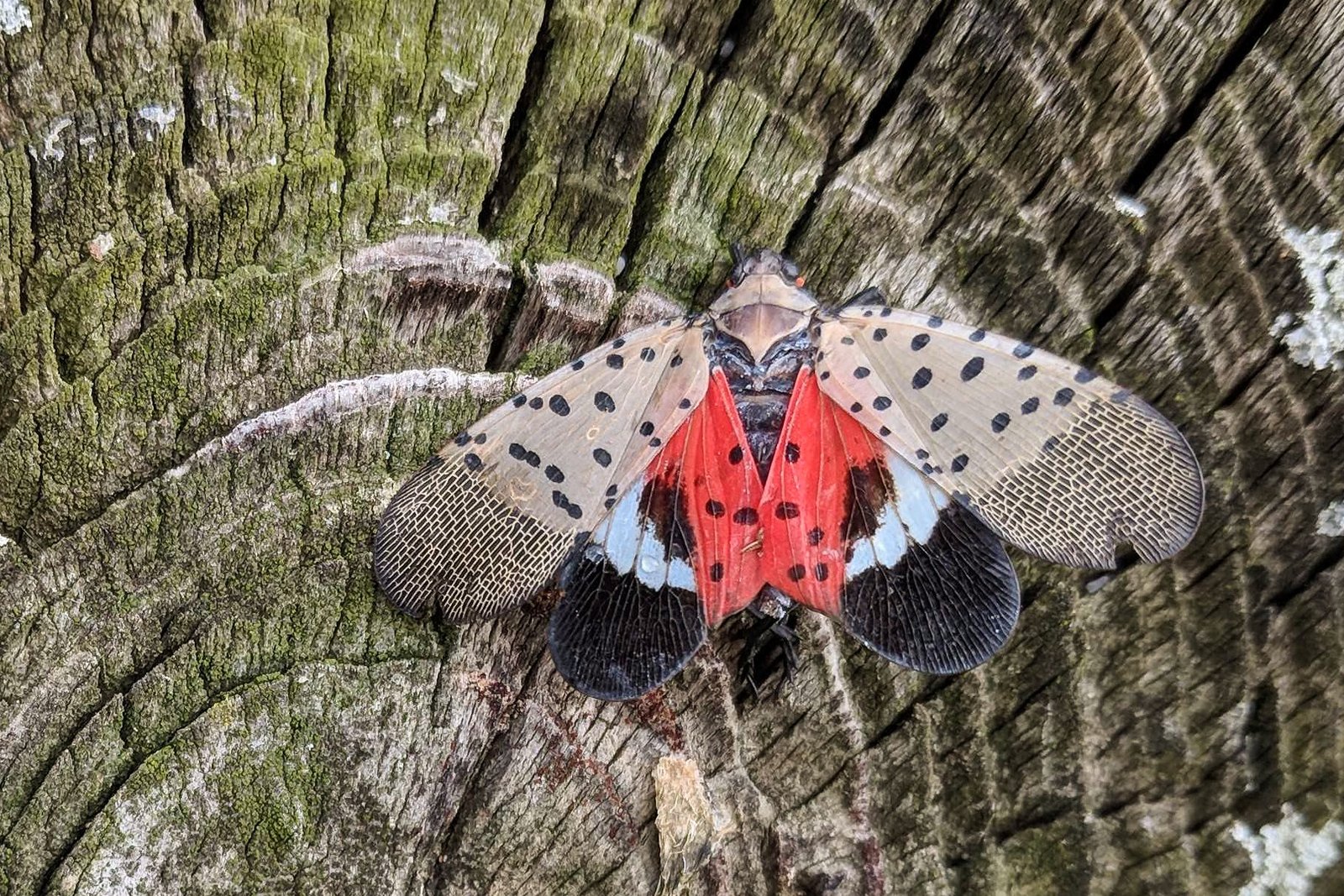

My column last month urged residents of the greater Wenatchee Valley to consider eliminating the Ailanthus altissima, Tree of Heaven, from our environment. Besides that, it is a rampantly spreading and messy tree that also smells bad, it is a threat to our livelihoods.
This tree is the host to a rapidly spreading agricultural pest. Not to make is sound like “War of the Worlds,” but the invasive could make it difficult to produce fruit in our area.
The Spotted Lanternfly, Lycorma delicatula, is an invasive pest. It uses the Tree of Heaven as its natural habitat. So far, it has spread west to the Midwest.
You have most likely heard of monarch butterfly larvae eating milkweed, creating such an unpleasant taste that a predator avoids eating that butterfly. The same is true of the lanternfly that passes through several instars, that is growth stages, before it becomes an adult that can fly to other plants and areas.
The adult insect lays masses of eggs primarily on the Tree of Heaven. When the eggs hatch, the young, black-and-white pests feed on the smelly sap of the tree. That prepares them for life in an important way. Drinking the sap creates toxic sequestration in the pest so that when other insects and birds attempt to feed on the pests they find the taste so unpleasant that they avoid the spotted lanternfly at all stages of its life. Mostly the non-flying stages of the lantern fly are preyed upon. If an adult is captured, the predator tears off its wings before eating it because the toxins are stored in the wings.
You can understand that scientists have completed extensive research on this pest. The pest has over 100 host plants. When the number of insects is large, like in Ohio, an entire vineyard was decimated. On the East Coast, this invader eats commercial crops like blueberries and grapes and soft fruit but also snacks in the backyard gardens, enjoying roses and tomatoes. In North Central Washington, crops at risk include pears, apples, grapes, blueberries, cane berries and plums. This does sound like “War of the Worlds.”
There are pesticides to deal with these insects, but not having the lanternfly develop in high numbers in the first place is preferable to using poisons, and a large population is nearly impossible to control. The good news is that our friends — spiders, praying mantis and stink bugs — feed greedily on the young pest. So we have be sure our gardens nurture these beneficial insects. Most importantly, we need to cut out all the Tree of Heaven in our area.
A WSU Chelan and Douglas County Master Gardener column appears weekly in The Wenatchee World. To learn more about your local Master Gardener program, visit bit.ly/wsucdmgprogram or call (509) 667-6540.