
Some tips for creating an indoor herb garden
By Ann Briggs
WSU Chelan/Douglas County Master Gardener
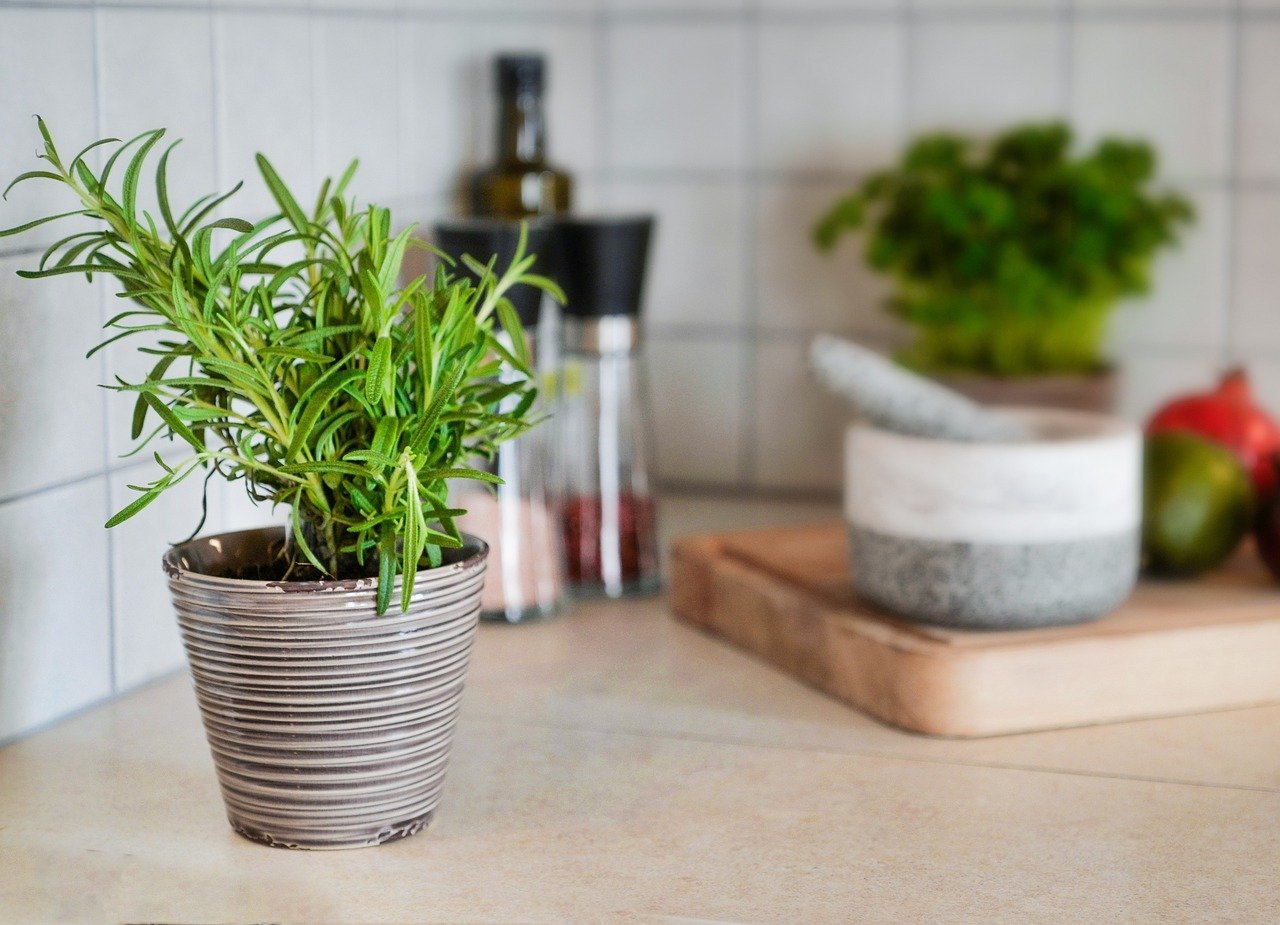

I’ve become spoiled after months of being able to step outside and harvest fresh basil, oregano, parsley and thyme from my garden. I cringe at shelling out several dollars for a small packet of less-than-fresh herbs at the store, so this year I’m trying my hand at growing herbs inside.
Growing indoor herb plants requires that you meet a few basic needs: adequate light, a container, soil, water and warmth.
Herb plants require at least 6 hours of direct sunlight, so the best location for them is a windowsill or countertop in a south-facing window. A west-facing window might also work. If neither of these is an option, you can use an artificial light placed 6 to 12 inches above the plant for 12 to 16 hours a day. Rotate the plant every few days to ensure all sides receive light.
When choosing a container, make sure it has drainage holes and place a saucer under it to avoid water stains on your windowsill or tabletop. Tiny pots of herbs seem great in concept, but herbs have a generous root system; cramming them into tiny pots means that you’ve signed yourself up for a winter of watering chores. If you have the space, use a larger container that won’t dry out as quickly and will be deep and wide enough for the roots to grow. Clay pots will dry out quickly because water passes through them; plastic pots retain moisture better in our dry indoor environment.
Herbs don’t like to sit in water, so be sure to use well-draining indoor potting soil, otherwise the roots might rot. Look for a soil mix enriched with compost to give the plant the nutrients it needs to grow and produce the flavor you desire.
A common problem with indoor plants is that we often “kill them with kindness” by overwatering. You should water when the soil is slightly dry but not parched. Check for moisture with your finger and water when the top inch of the soil feels dry to the touch. When growing basil, never allow the potting mix to dry out completely – basil prefers soil that is consistently moist (not wet!). If you choose to fertilize, use one-quarter strength of the recommended amount, about once a month.
Most herbs will thrive in temperatures of 65 to 70 degrees, which is typical for many households. Avoid placing plants near heat sources, such as radiators, because they will dry out the leaves. Homes with forced-air heat tend to be the driest in the winter; using a humidifier near the plants can help.
You can begin to harvest from your plants once they are 6 to 8 inches tall. Snip just above a leaf node. By doing this, the plant will branch and become fuller each time it’s pinched. Never cut more than one-third of the plant at a time.
So now that you’ve got the basic requirements, what should you grow? Herbs that are easy to grow include basil, chives, cilantro, mint, oregano, parsley and thyme. If you’re new to this, like me, start with two or three varieties of plants that you know you’ll cook with. I’m starting with basil and Italian parsley in 5-inch pots. This size of pot fits nicely on the windowsill and is small enough to place a plastic bag over the top of the pot to keep in moisture until the seedlings emerge. As a bonus to having fresh herbs to add to your cooking during the winter months, indoor herbs can be hardened off and transitioned into the garden once the soil warms next spring.
A WSU Chelan and Douglas County Master Gardener column appears weekly in The Wenatchee World. To learn more about your local Master Gardener program, visit bit.ly/MGchelandouglas or call (509) 667-6540.