

Gardening failures are opportunities to learn
By Bonnie Orr
WSU Chelan/Douglas County Master Gardener
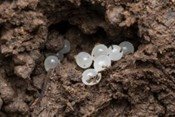

One fall season as a young bride, I decided I would create my first garden in the Willamette Valley. My devoted groom delighted me with a gift of 100 tulip bulbs. I was ready. With the dibble, I created holes 5 inches deep for each bulb. I noticed lots of clumps of white “seeds.” I had no idea what they were, so I incorporated them into the soil as I back-filled each hole preparing to be amazed and pleased in the spring.
And amazed I was! My first really serious gardening gaff. Little did I know that those white seeds resembling tapioca were actually slug eggs — yes, those large, muscular, brown-spotted, 8-inch plant ravagers. Sadly, the eggs hatched just in time to feast on my 8-inch bright-red tulip blooms.
Well, that was the first but not the last of my gardening mistakes. I made that mistake because I was uninformed, and it was before the Master Gardener organization was formed, so I had no resources to turn to. Lucky you, dear reader, you can always turn to a WSU Master Gardener who will give you accurate advice if you are prepared to ask for it. This is the beginning of my 30th year as a WSU Chelan Douglas Master Gardener, and I look forward to learning more about gardening.
Sometimes, though, I just want to wing it, truly believing that if something dies in the garden, I have the right to re-plant it once. Then if it dies again, my right to nourish that plant is revoked.
I read the plant tags. I read Sunset’s “Western Garden Book.” I am well informed. I know what a plant requires — and I sometimes choose to ignore all the facts and proceed with hope and love in my heart because I feel these will override the facts, and a plant will survive. Does that sound familiar to anyone? I keep hoping my cranberry viburnum will thrive. In fact, I have even moved it twice. My license for this plant is about to expire!
My mother — the most wonderful woman and who gave birth to four daughters in 16 months and lived with a smile — practiced translocation in her garden. Every year, she moved weak, failing plants and hoped with love in her heart that they would thrive in the new location. They seldom did. The truth is plant labels are accurate guides for gardeners.
I truly did not believe that the Miscanthus grass would be 5-feet-by-5-feet when it was mature. I loved the sunshine in the pinky-gold panicle (the seed-head), and liked to watch the wind sway the “leaves” as well. The plant is now a thug that is overwhelming my Joe Pye Weed, my Plumbago and my Agastache. In the dark of the night, this winter, I will go out and commit planticide. I can only do it in the dark, but it has to be done; this ornamental grass must be dug up and not composted.
Sydney Eddison in “The Self Taught Gardener” reminds us, “There is always a moment during the growing season when what can go wrong has gone wrong.” (The weather is too hot or too windy; there is too much smoke; slugs have made holes in the Hosta leaves; and the root weevils have decimated the rose leaves.) “Be prepared for this period of disenchantment. It usually doesn’t last long … .”
The message is that I will make mistakes as a gardener and endure unanticipated disappointments.
But it is January, and hope, if nothing else, is blooming.
A WSU Chelan-Douglas County Master Gardener column appears weekly in The Wenatchee World. To learn more about the local Master Gardener program, visit bit.ly/MGchelandouglas or call (509) 667-6540.