
Give thanks to our pollinators
By Mary Fran McClure
WSU Chelan/Douglas County Master Gardener
Pollinators are topic of free gardening class
“Buzzing for Pollinators” is a free program from 10 a.m. to noon, Saturday, June 21, at the Community Education Garden. The garden is on the northwest corner of Western and Springwater avenues in Wenatchee.
The event is part of the WSU Chelan-Douglas Master Gardener Program’s Third Saturday in the Garden series.
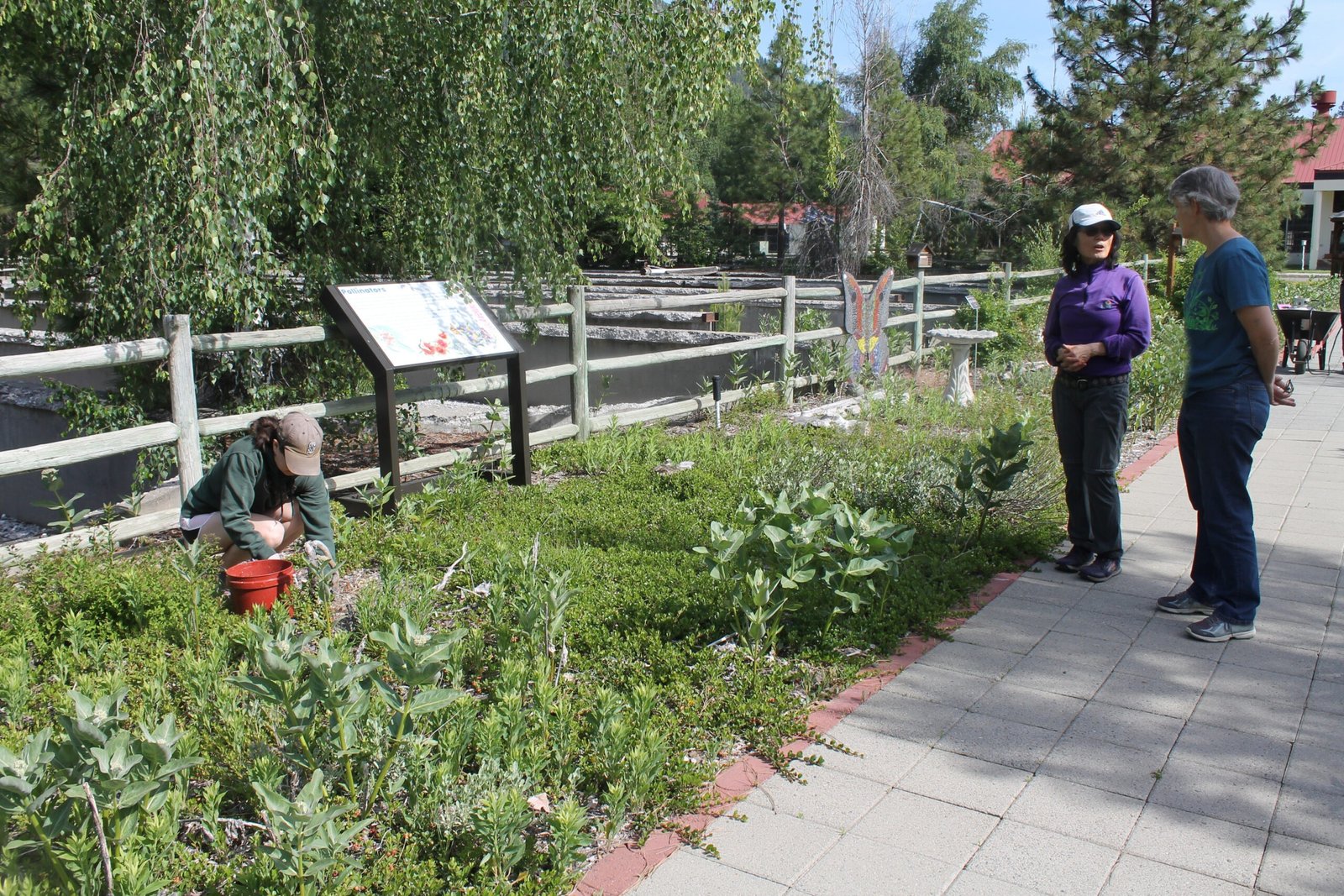
Susie Stenkamp, Chelsea Lenderman and Linda Christianson — co-leaders of the Pollinator Garden at the Leavenworth Fish Hatchery — will share helpful information about how to create a pollinator-friendly garden. They will also share information about the Pollinator Garden in Leavenworth.
Have you thanked some small friends for their part in providing fruit, vegetables and many other foods we take for granted? This is National Pollinator Week, and I’m recognizing the necessary part our buzzing friends provide, called pollination.
Many types of solitary bees, including mason, leafcutters and some tiny ones that you might mistake for flies, all contribute toward providing us food. Honeybees, butterflies and even hummingbirds do their part by going from flower to flower to pollinate.
Without pollinators, we’d starve or at least have a very limited food supply. I recently visited the Leavenworth Fish Hatchery Pollinator Garden maintained by WSU Chelan-Douglas Master Gardeners. Visit it at 12790 Fish Hatchery Road this month to see peak pollinator flowers in bloom and learn more about pollinators. The group has installed wheelchair friendly pathways for easy viewing for all.
Garden co-leader Susie Stenkamp explained to me how the garden was started in 2016 and has emerged to encourage all types of pollinators —butterflies, birds, bats and a myriad of bees. Bees range from large bumblebees to very tiny ones. Even mosquitoes and flies pollinate, although our distain for them makes them less popular.
Most solitary bees are smaller than honeybees and can snuggle down within flowers to sip nectar while pollen is collected on their bodies. Pollen falls off on the next flowers they visit. That’s pollination. Their size makes solitary bees more efficient pollinators than honeybees. Another plus — they don’t sting.
The enthusiastic garden leaders say their priority is to accommodate pollinators, not keeping the garden pristine. You’ll see 8- to 10-inch lengths of old milkweed stems scattered on the ground as a source for egg-laying habitat. Open areas without plants are important areas for ground nesting bees.
Nesting boxes contain tubes of various sizes, accommodating a variety of solitary bees. Mason bees are spring workers, needing temperatures of 55 degrees and above, while leafcutter bees emerge in summer as temperatures climb.
Hardware cloth has been nailed over nest boxes, keeping out squirrels and birds from decimating bee tubes.
There are bird baths and plenty of nearby trees to invite birds to the area. The garden offers a broad range of pollinator-friendly blooming plants, predominately natives. Flowering spans from early March through late fall, and a variety of plants are important for both bees and butterflies.
Buckwheat varieties, Scouler’s willow, and serviceberry are popular sources of nectar for butterflies. Butterflies are selective about what plants are best for their young. For instance, dramatically colored yellow and black Swallowtails prefer laying their eggs on parsley, lovage, serviceberry and maple, among other plants.
Milkweed is the primary food source for Monarch butterflies, and it’s abundant in this garden. However, Monarchs are rarely seen here. Monarch populations have been declining, and this Leavenworth garden hopes to entice them to visit during their annual trek between northern regions and California for overwintering. Butterflies most often viewed in the garden include Swallowtails, Checkerspots and Blues.
You’re invited to a harvest party in October where bee tubes will be cleaned and prepared for next year’s crop of pollinators, says Chelsea Lenderman, a garden co-leader. Check the Master Gardener website, bit.ly/leavpollgarden, for the date this fall.
A WSU Chelan-Douglas County Master Gardener column appears weekly in The Wenatchee World. To learn more about the program, visit bit.ly/MGchelandouglas or call (509) 667-6540.