

Raspberry pruning tips vary by type you grow
By Ann Briggs
WSU Chelan/Douglas County Master Gardener
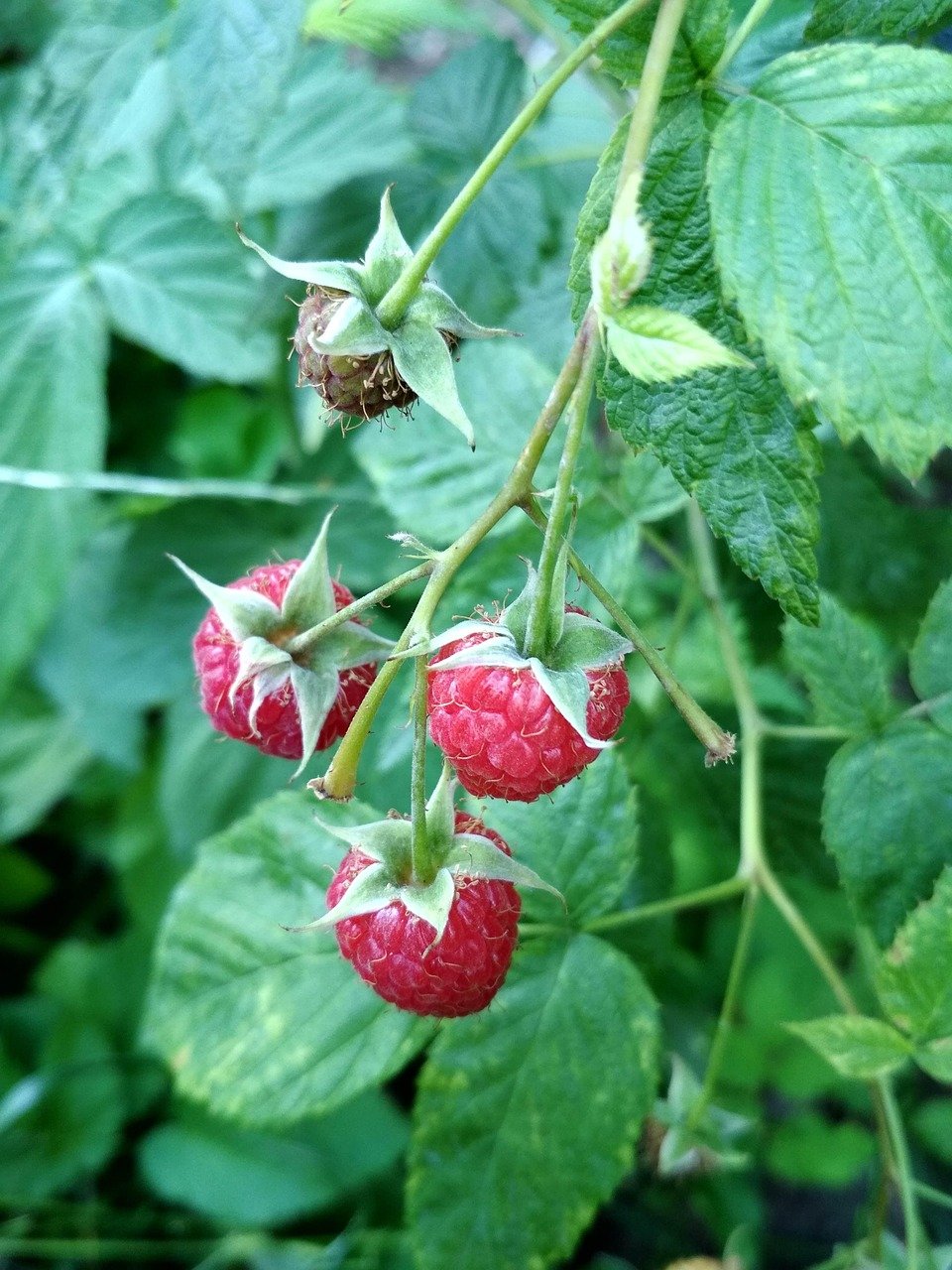

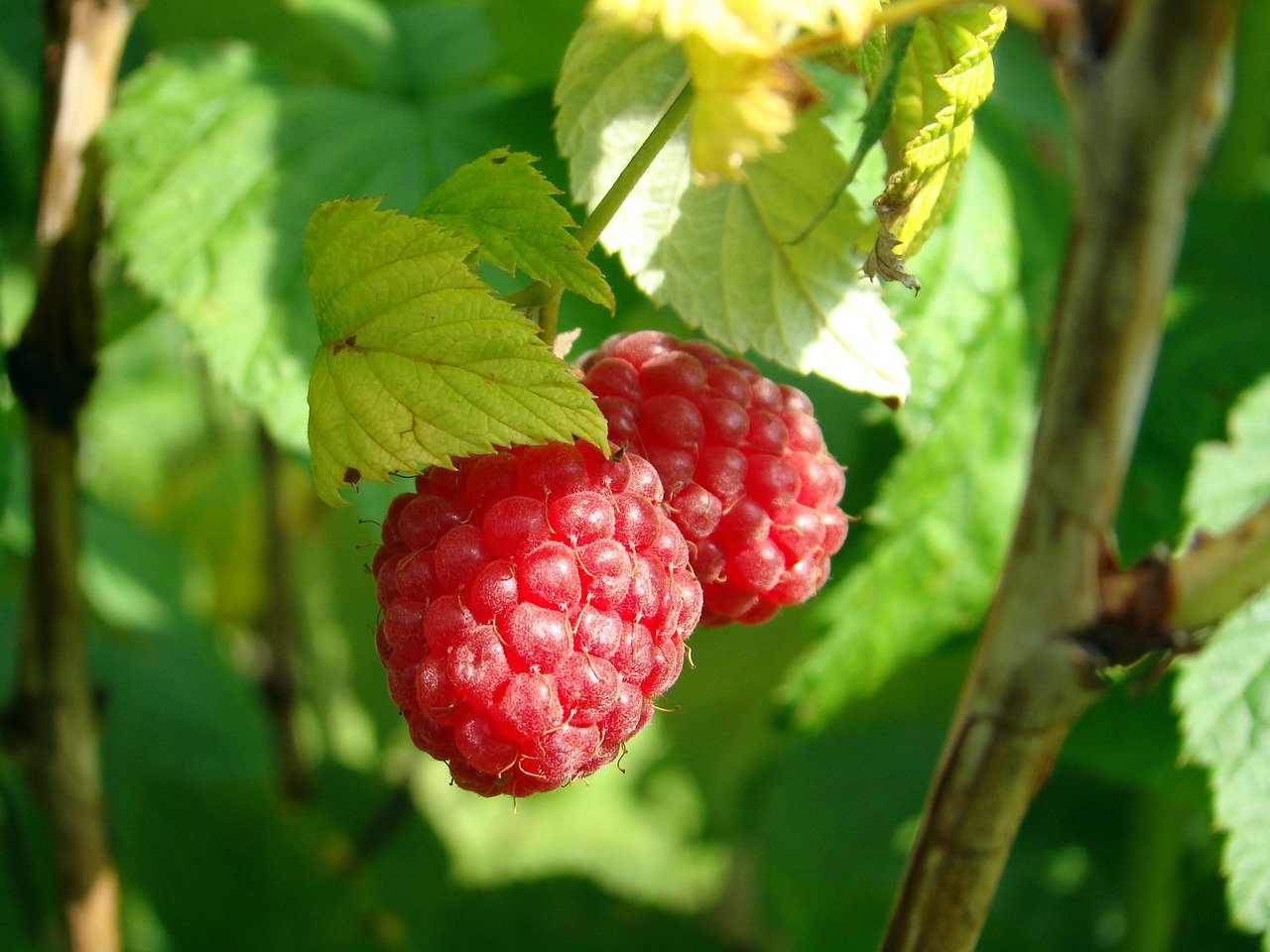
For me there’s nothing better than grazing on raspberries fresh off the vine, or more accurately, fresh off the cane. How to prune and manage them, however, has been a bit of a mystery to me. After doing some research, I’ve learned that it really depends on what type of raspberry you have.
There are two main types of raspberries: summer bearing and fall bearing. Knowing the type you have is key to determining when and how to prune them. Consistent pruning each year will keep the plants from becoming a tangled mass and will produce better fruits. Pruning and thinning improves air circulation and allows more sunlight to reach new, emerging canes.
Summer-bearing red and yellow raspberries produce fruit in the early summer on two-year old canes, called floricanes. This type of raspberry should be pruned twice a year, once after fruiting and again in the spring (late March or early April). Canes that have fruited become dry and brown and will not produce again; soon after harvest, you’ll want to cut these down to the ground. New canes, called primocanes, will grow from the roots and will bear next year’s fruit. In the late winter or early spring before growth starts, remove any thin, weak, dead or diseased canes to the ground and cut back any tall canes to about five feet.
Fall-bearing red and yellow raspberries (also called everbearing) can bear fruit twice. The heaviest fruiting will be in the top third of first-year primocanes. After harvesting, cut off the fruit-bearing part of each cane. These canes will produce some fruit in the lower portion of the cane the following summer. Once you’ve harvested those older, second-year canes, they should be cut off at the base. In the meanwhile, the roots will have produced new primocanes, which will fruit at the top of the cane in the fall. For simplicity, some gardeners prefer to cut all canes to the ground in the winter and treat the plant as a single crop fall producer.
The previous paragraphs cover the more commonly sold raspberry varieties. My garden includes another variety of raspberry — the black raspberry, which has a different growth pattern and requires pruning three times a year: spring, summer and after fruiting.
Similar to summer-bearing red raspberries, black raspberry canes that have fruited should be cut out soon after harvest. Black raspberries can grow very long primocanes in the summer, and they should be tipped (removing the top 2 or 3 inches) when they reach 24 to 30 inches high to encourage lateral branches that will bear next year’s fruit. In the spring before growth begins, prune back the lateral branches to about 8 or 10 inches.
Once you’ve finished pruning your raspberries in the spring before growth begins, give them a boost with a balanced fertilizer (labeled 10-10-10) to encourage strong growth. Some gardeners choose to fertilize again after harvesting to stimulate new cane growth. Stop fertilizing by summer; late-season growth will be too tender to survive the winter.
All types of raspberries will benefit from a support system using posts and wires to keep them upright in windy conditions. In addition, many types of raspberries produce “suckers” that can pop up outside the desired growing area. Either remove them or transplant them back into the row when they appear to keep your berry patch more manageable.
A WSU Chelan and Douglas County Master Gardener column appears weekly in The Wenatchee World. To learn more about your local Master Gardener program, visit bit.ly/MGchelandouglas or call (509) 667-6540.