

Where Two Rivers Meet: Lessons from the Little Giant Fire
By Leslie Engley
WSU Chelan/Douglas County Master Gardener
Read more about fire-resistant landscapes.
Interested in learning more about Firewise gardening? Consider these resources:WSU: Fire-Resistant Landscaping for the Home and Community: https://bit.ly/pnwghfireresistant.
WSU Chelan & Douglas Counties: Fire-Resistant Landscapes: https://bit.ly/cdmgfireresistant:
WSU Master Gardeners

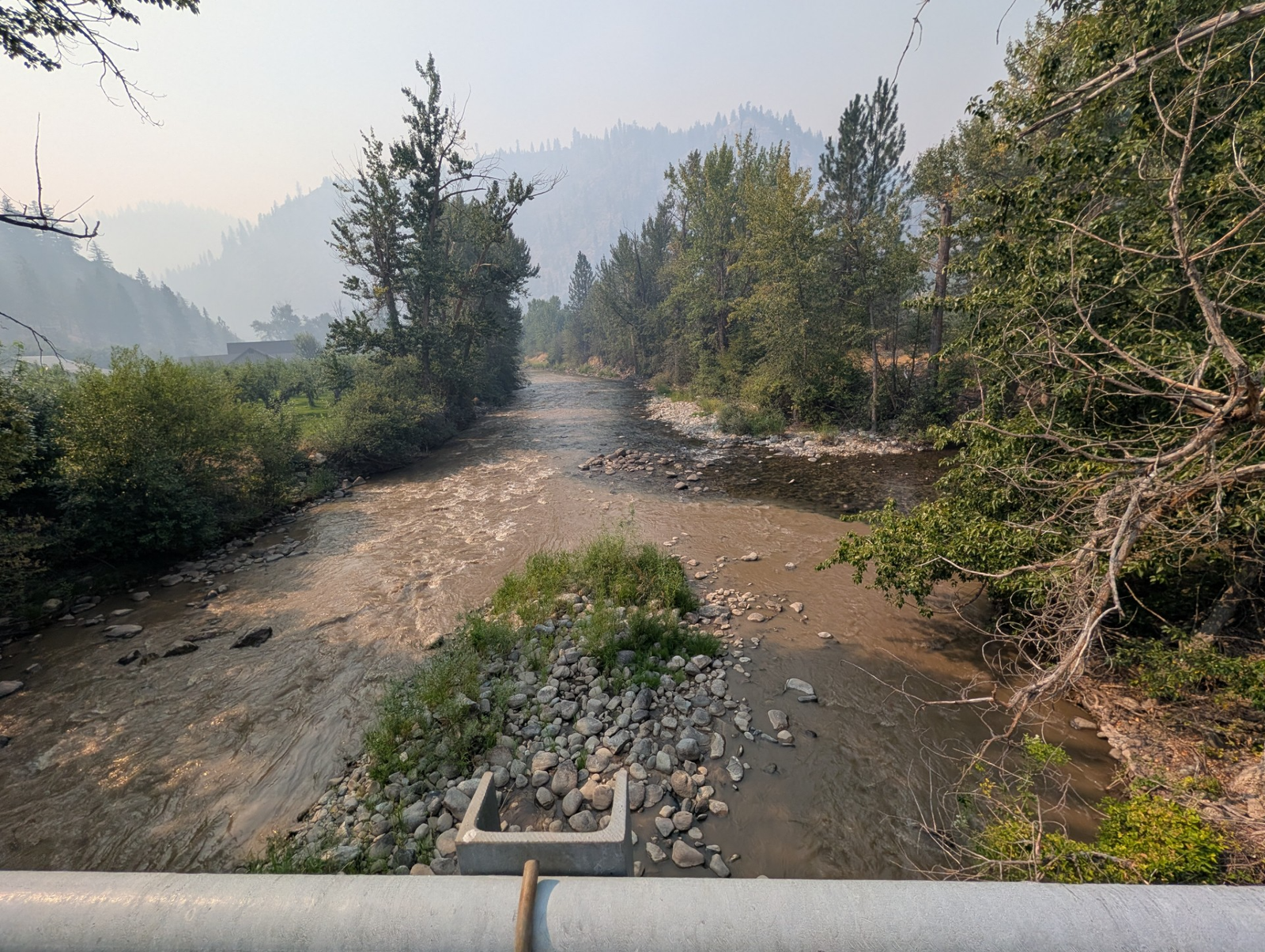
In May 2026, my husband and I purchased 20 acres where the Mad River and Entiat River meet, about 10 miles up Entiat River Road. With approximately 14 acres of fir forest, the property offered both a beautiful setting and a chance to become stewards of a remarkable place.
It also holds local history: it’s a few acres from the former Ardenvoir logging mill site, which operated here beginning in the early 1930s and closed in 1979. Today, we are looking toward a different chapter—preserving its natural character, encouraging native plants, and helping them reclaim ground from invasive species.
Then came the Little Giant Fire.
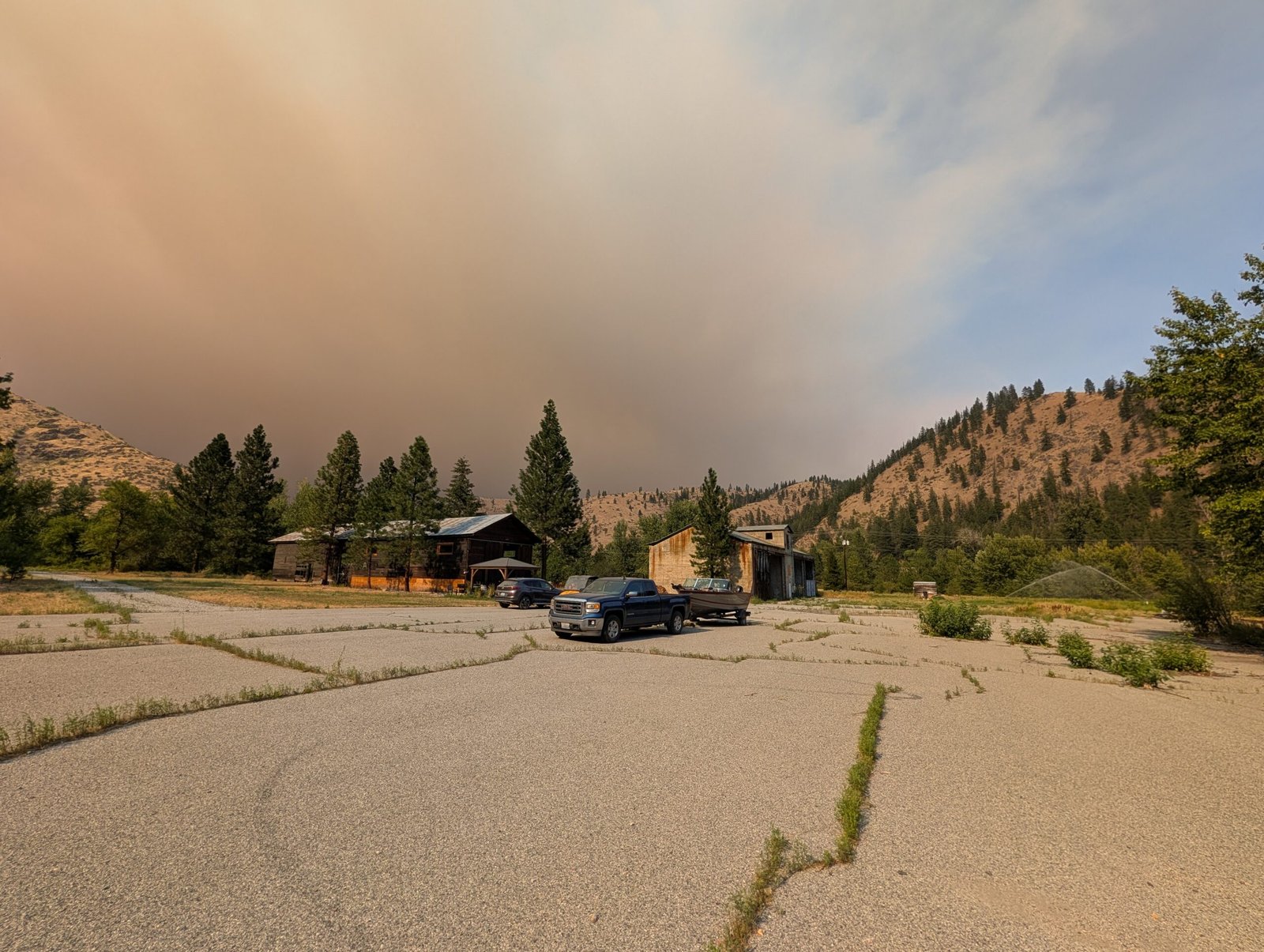
Started by lightning on July 15 in the Chiwawa River drainage, the fire grew from an initial estimate of five acres to more than 172,000 acres by October. It became the largest fire recorded in Chelan County, surpassing the 1994 Tyee Creek Fire. For us, that history unfolded close to a place we had only just begun to call our own.
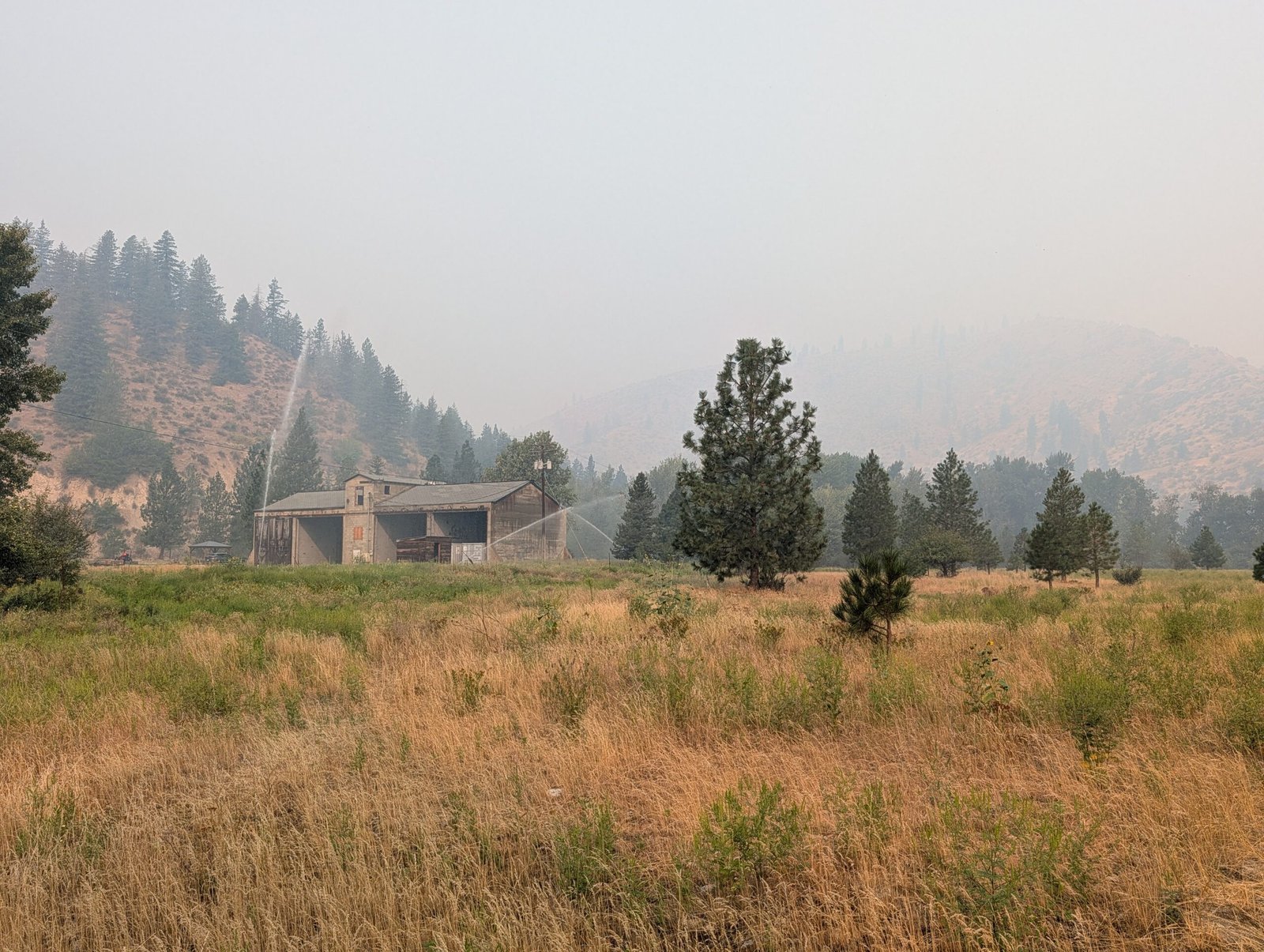
As the fire pressed on for weeks, making the property more Firewise became an urgent priority. Earlier in the season, we had already thinned and limbed some nearby trees. Before we evacuated for three weeks, we cleared weeds at least 30 feet away from the barn housing our RV and used the tractor to create a bare-soil break approximately 30 feet from the building. We also assembled a sprinkler system from PVC pipe and plumbing fittings to wet the area between the approaching fire and our barn. That was a supplemental measure; removing combustible vegetation remained essential. When most of the work was done, the fire was approximately 8 miles from our new home. The experience changed how we looked at the land. A low branch or a pocket of dry brush became a potential pathway for fire.
Our biggest lesson: Thoughtful stewardship means understanding what to keep, what to remove, and where. Native plants remain central to our plans, but being native does not make a plant fireproof. Careful placement, adequate spacing, and regular maintenance all help reduce wildfire risk.
When we begin building our home, wildfire resilience will guide both the house and landscape.
The three Firewise home ignition zones provide a practical framework:
- Zone 1 (within 5 feet): Use noncombustible surfaces and avoid flammable plants or mulch.
- Zone 2 (5 to 30 feet): Maintain well-spaced vegetation and create breaks between plantings.
- Zone 3 (30 to 100 feet): Reduce accumulated fuels and vegetation that could carry flames into tree crowns.
Fire-resistant construction belongs in the plan from the beginning. The home will also be designed to resist windblown embers.
We have years of work ahead, but I am excited to help this land thrive in a new era. This summer taught us that caring for a landscape includes preparing it for fire, and that preparation is an ongoing responsibility every season. To every firefighter, incident team member, emergency responder, and support person who worked the Little Giant Fire: thank you. Your skill, endurance, and dedication helped keep our community safe, and we are deeply grateful.
A WSU Chelan and Douglas County Master Gardener column appears weekly in The Wenatchee World. To learn more about your local Master Gardener program, visit https://bit.ly/wsucdmgprogram or call (509) 667-6540.