

Reflecting on this year’s garden, looking ahead to next season
By Ann Briggs
WSU Chelan/Douglas County Master Gardener

By now, most gardeners have cleaned up their beds, put away their tools and stored tender tubers, bulbs and plants for next year. This quieter period is a perfect time to reflect on what did or didn’t go well in the garden this past season and think about plans for the coming spring.
For me, this year’s garden was a mixed bag with some successes and several failures. My vegetable garden seemed to get off to a good start, but many things had gone terribly wrong by mid-spring. The carrots in the raised bed had all their young tops chewed off by a critter — most likely a rabbit — and had to be re-seeded. My tomatoes started out strong but then stopped growing altogether, producing just a handful of fruits by the end of the season. The pie pumpkin just limped along and failed to produce a single fruit, while the cantaloupe and watermelon delivered a few small, but delicious melons in a raised bed.
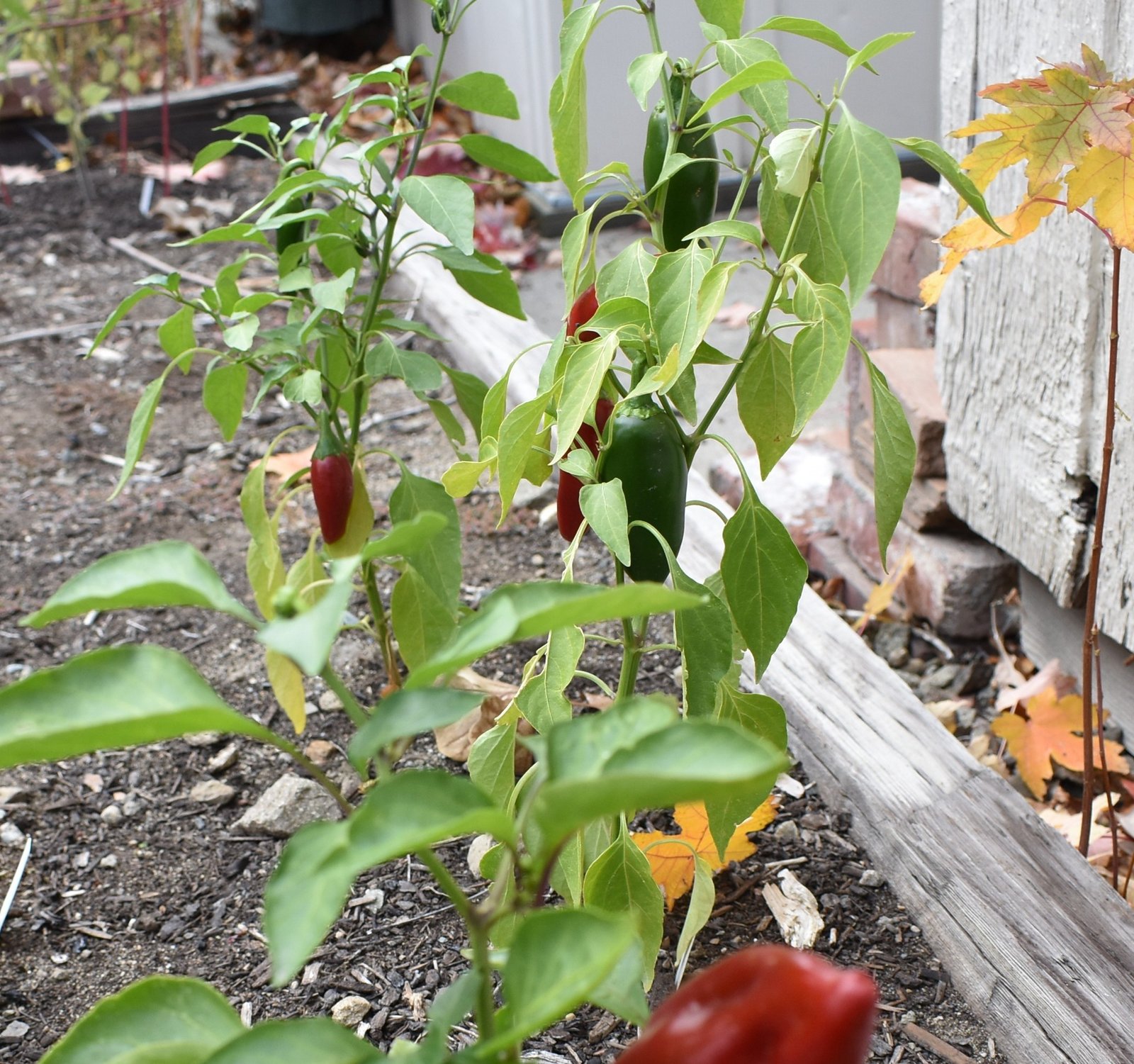
On the other hand, my peas did well in the early spring and the filet beans were stellar, providing me with multiple pickings all summer long. The pepper plants enjoyed the summer heat and produced a good crop. And fortunately, my strawberries and raspberries did well, so I felt a measure of success with those efforts.
As I look back, I’ve identified mistakes I made and have made note of things to do differently next season to improve the garden’s production. One of my most critical errors was not knowing what my soil needs to support healthy plant growth. I am planning to fix that problem by getting my garden soil tested prior to planting next season. That way I will know what nutrients are needed, instead of just guessing at what to add. If you are interested in going this route, the Master Gardener website (bit.ly/cdmggardensuppliers) has a list of soil analysis laboratories.
I am also planning to rotate my crops to avoid inviting pests and disease. Growing the same plants repeatedly in the same area can deplete the soil of certain nutrients, especially with heavy feeders like tomatoes. I thought if I just added a little compost and some fertilizer to the soil, all would be fine. Not so!
I have a small garden area, but if I divide it into four quarters and plant similar plant families in each section, I can move them to a different quarter the following year. For example, in the first year, plant one section with plants from the nightshade family (tomatoes, eggplant, peppers). The second section will be planted with legumes (beans and peas), which are nitrogen-fixing plants and add nutrients back into the soil. In the third section, plant root crops and alliums (carrots, beets, parsley, dill, onions and garlic), and in the fourth, grow plants from the Cucurbitaceae family (cucumbers, squash, pumpkin and melons). Different plant families take up different nutrients, so by rotating them to a different section each year, you will avoid depleting your soil.
As for the critters raiding the raised beds, next year I’ll put a floating row cover over the carrots to better protect them from those garden thieves. The fabric lets light and water pass through and can raise the temperature by a few degrees, which helps protect tender growth from late frosts in spring.
When I pulled up my pumpkin vines this fall, I discovered the plants had just a few measly roots emerging from the bottom of the peat pots they were started in. I had slit the sides of the pots when I planted the pumpkins but now realize I should have cut them all the way to the bottom so the roots could emerge more easily. Another option is to wait until the soil is warmer and simply plant the seeds directly into the soil, avoiding the pot issue altogether. Gardening will always have its challenges and provide ample opportunities to learn from our mistakes, but for me, the rewards are worth it!
A WSU Chelan and Douglas County Master Gardener column appears weekly in The Wenatchee World. To learn more about your local Master Gardener program, visit https://bit.ly/wsucdmgprogram or call (509) 667-6540.