

Winterizing garden tools will make a difference next spring
By Jenaleigh Fox
WSU Chelan/Douglas County Master Gardener
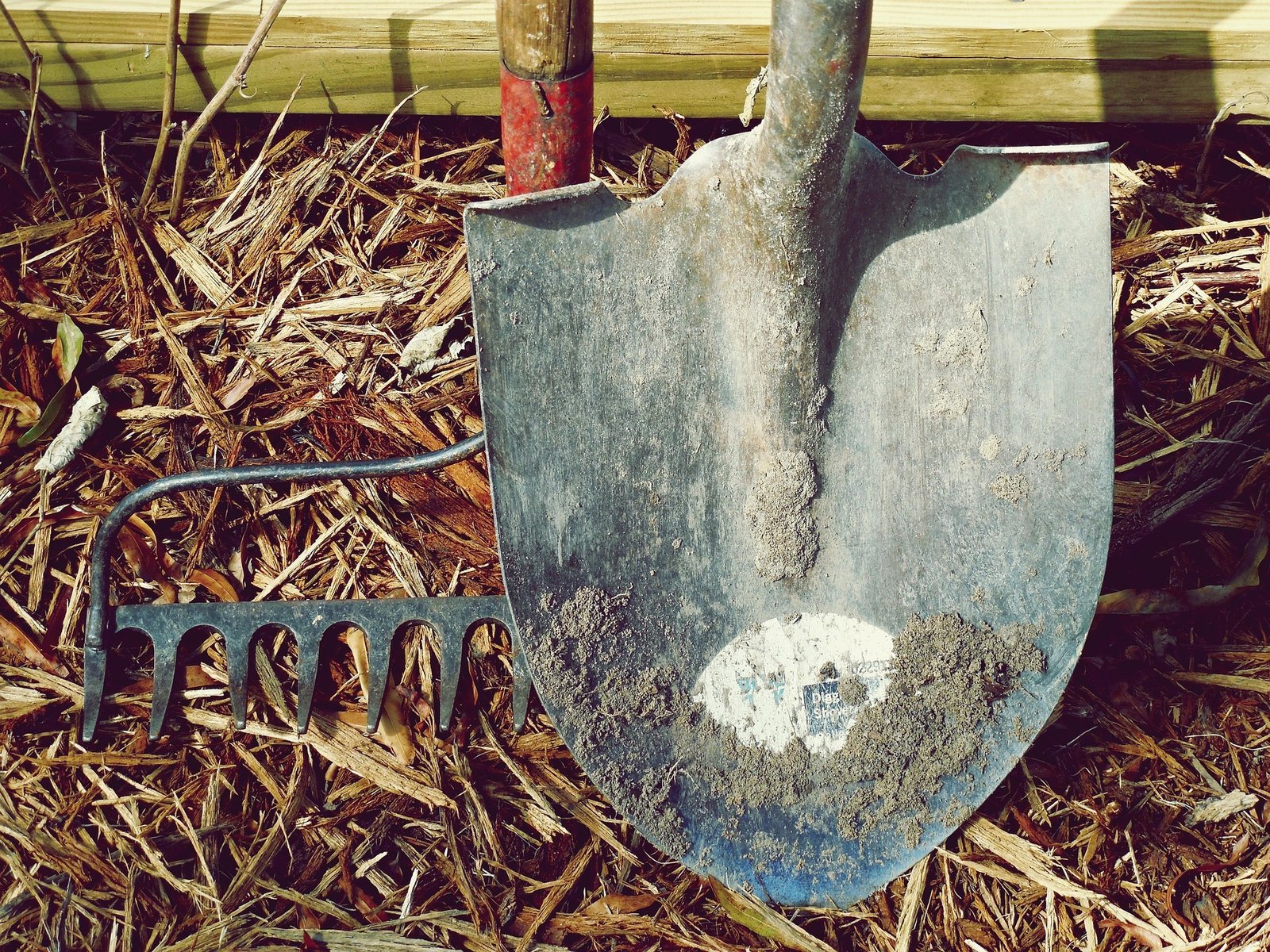

Two years ago, my New Year’s resolution was to use more tools. I learned that tools can take you places you just can’t go with brute force and fingernails. Well-maintained tools reduce physical effort and make every gardening task easier. November is here — it’s time to treat yourself to clean, sanitized and sharpened tools.
Clean
Clean dirt and sap from tools with soap and water. Remove rust with steel wool.
If you haven’t been cleaning your tools after each use, prepare to scrub. Dirt, rust, and sap dull blades and harbor plant disease. Remove debris in a bucket of soapy water. Scour rust with fine steel wool. Sap can be worked off with isopropyl alcohol or a household degreaser. Rinse and dry thoroughly.
Sanitize
To prevent spreading plant disease, disinfect tools with quaternary ammonium compounds, bleach, or rubbing alcohol.
Cleaning removes dirt; sanitizing removes microbes from your tools and prevents the spread of diseases like tomato mosaic virus or powdery mildew. Because disinfectants are classified as pesticides, always follow the label instructions, and wear protective gear.
Quaternary ammonium compounds — the active ingredients in Lysol wipes — are highly effective. Simply spray or wipe and let air-dry. For organic gardens, the National Organic Program approves 5% to 9% sodium hypochlorite bleach for disinfection. Soak tools in a 10% solution (1 part bleach to 9 parts water) for 10 minutes. Bleach can corrode metal; rinse and dry thoroughly afterward. Dispose of used bleach down a drain with running water. These disinfectants are recommended for tools used on stubborn pathogens like fire blight.
For the eco-conscious gardener, 70% rubbing alcohol is an easy, everyday sanitizer that kills most microbes and won’t corrode metal. Both ethanol (organic) and isopropyl rubbing alcohol are labeled “safer-choice” by EPA Design for the Environment standards. Spray or wipe on tools and ensure at least 30 seconds of visible wet contact time before evaporation. Rubbing alcohol is highly flammable, so take precautions.
Sharpen
Sharpen tools with special sharpening tools or a mill file. Oil metal and wooden parts.
Sharp tools reduce physical effort— a little work now prevents a lot later. You can hire out sharpening, or you can do it yourself. There are many specialized sharpeners, including some for serrated edges, but for the straight edges of shovels, loppers and pruners, a mill file is all you need. If it has a beveled edge, you can sharpen it.
Wear sturdy gloves and eye protection. Clamp the tool securely to a table and locate the cutting edge, which is the sharp, beveled side. Hold the mill file at the same angle as the bevel and push it along the cutting edge in one smooth, firm stroke, lifting on the return stroke. Repeat until the entire edge is evenly shiny. Avoid changing the original bevel; too steep an angle can weaken the edge. Lightly draw the file along the back edge of the tool to remove any metal burrs. Apply a light coat of oil — vegetable, mineral, or motor oil— to protect metal from rust. Check wooden handles and smooth rough wood with fine-grit sandpaper. Apply boiled linseed oil with a rag to protect the wood. Store your cleaned, sanitized and sharpened tools in a dry place. Now you can rest. By spring, you and your tools will be ready for action!
A WSU Chelan and Douglas County Master Gardener column appears weekly in The Wenatchee World. To learn more about your local Master Gardener program, visit bit.ly/MGchelandouglas or call (509) 667-6540.