

Master Gardeners In the Garden
-
Preserve garden blooms for fall and winter decorations
By Ann Briggs
WSU Chelan/Douglas County Master Gardener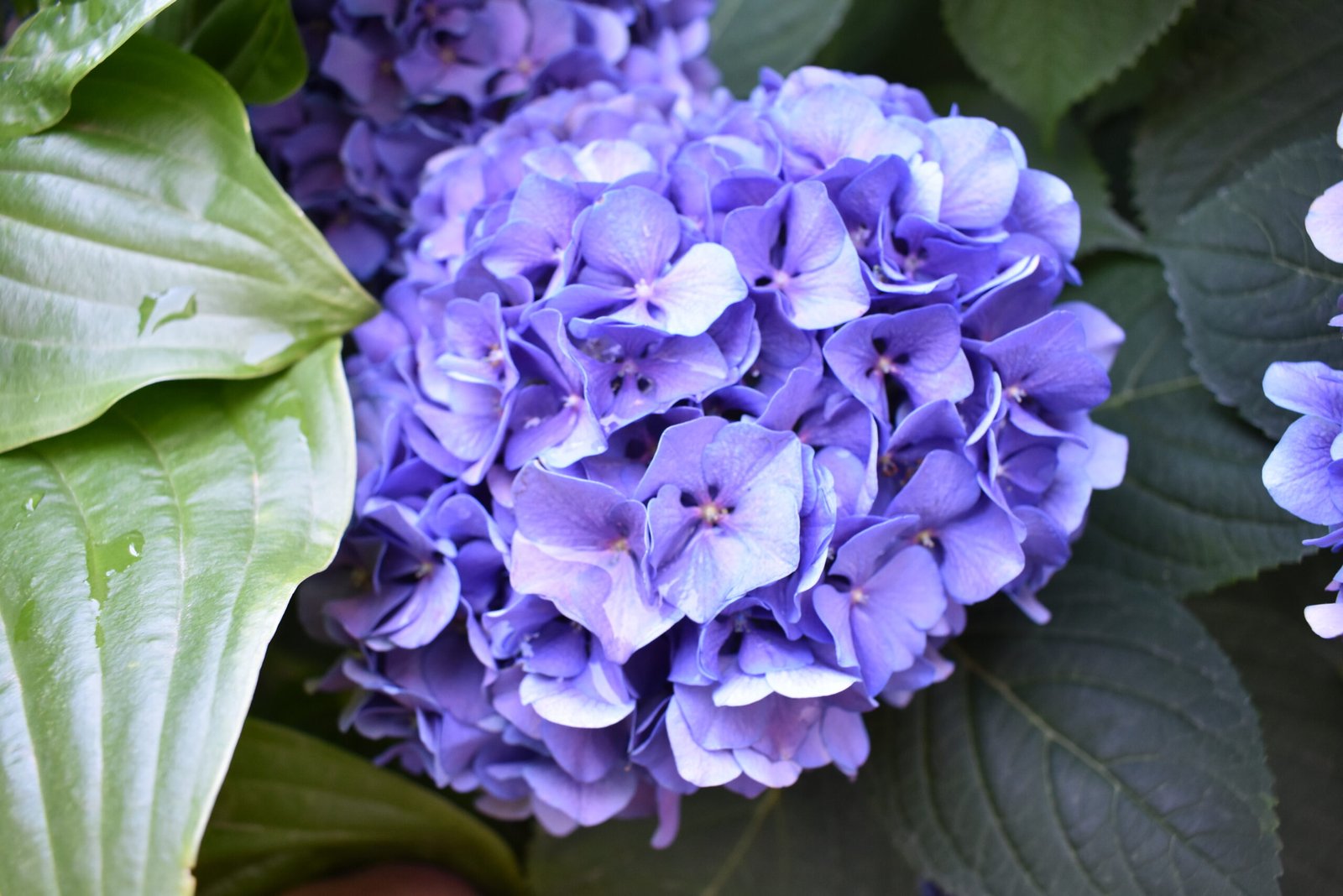
Now is the time to scout your garden for blooms and seed pods that can be dried for use as decorations in the months ahead. – Photo provided by: Ann Briggs 
Ann Briggs – WSU Extension Chelan/Douglas County Master Gardener It’s hard to think about fall and winter decorations while we’re in the heat of the summer, but if you act now, you can preserve and enjoy your summer blooms well into the months ahead.
Dried flowers, leaves and seed pods can be used in fall and winter bouquets, holiday wreaths, wrapped gift accents or other art such as hand-crafted cards and candles. Aromatics like lavender, rosemary and chamomile make a wonderful potpourri or sachet for putting in a drawer.
The easiest method for drying flowers is to hang them upside down in a dark, dry area with good air circulation. Pick your flowers on a dry day or after irrigation water has evaporated from the plant completely. Flowers with damp interiors will likely result in moldy flowers, and nobody wants those!
Ideally, harvest your flowers in the morning before they are completely open and leave them with a 5- to 6-inch stem. Strip off all the foliage from the stem and secure a bundle of 8 to 10 stems with a rubber band or twine. Then hang the bundle upside down in a well-ventilated area, out of sunlight; a garage, attic or closet works well for this. In about two or three weeks, the flowers should be totally dry.
Flowers with small, compact petals work best because they hold their shape. Consider drying these: ageratum, astilbe, calendula, celosia, coneflower, cornflower, globe amaranth, globe thistle, salvia and yarrow.
For some flowers with thin stems, such as strawflowers, insert a thin, 20-gauge wire or florist’s wire through the stem, into the bottom of the fresh-cut flower. The stems of these flowers will crumble when dried and the wire will allow you to more easily add them to your dried flower arrangement. Once you have your wires inserted, twist the wires together into a long stem and hang them upside down to dry.
The vibrant color of most flowers will fade as they dry but they will retain their original hues. Flowers with darker or brighter pigments will hold their color better. Some flowers, such as hydrangea and yellow yarrow can be dried in vases, which helps to preserve their color. Cut the flowers with long stems, remove the leaves and place them in a vase with 1 inch of water. The flowers will gradually dry as they absorb the water.
For pressed flowers and leaves, cut off the stem and green parts at the bottom of the flower, lay them flat between sheets of newspaper, parchment paper or in a coffee filter and place a weight on top of them. Some of the best flowers for pressing include pansies and violas, daisies, cosmos, chamomile and forget-me-nots. If leaves are going to be used in a bouquet or wreath, inserting a wire into the stem while they are still fresh will make it easier to work them into the arrangement. Consider fern, clover, ginkgo, maple or strawberry leaves for pressing. Check on the flowers or leaves after three weeks to see if they have dried.
Seed pods can also add an interesting element to dried arrangements. Love-in-a-Mist (Nigella) is a good choice for drying. Harvest the round, maroon-striped seed pod when it feels papery and firm to the touch (the colored stripe fades as the pod age). Dry the pods upside down.
You can find a multitude of ideas on the internet for ways to use dried flowers and leaves, as well as additional methods for drying. Now is the time to take advantage of the materials you have on hand, while your garden is at its peak.
A WSU Chelan and Douglas County Master Gardener column appears weekly in The Wenatchee World. To learn more about your local Master Gardener program, visit bit.ly/wsucdmgprogram or call (509) 667-6540.
More Garden Advice
View archives